Whoop Expands Beyond Elite Athletes to Target Mainstream Health Monitoring
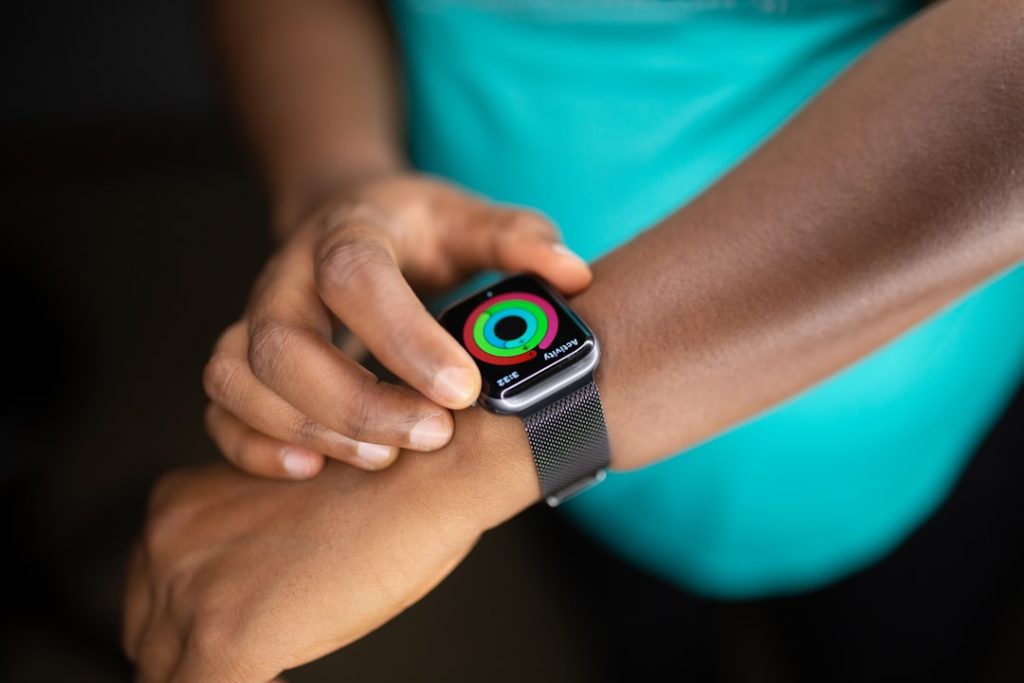
Initially positioned as an exclusive tool for professional athletes, Whoop has successfully transformed from a niche performance tracker into a comprehensive health monitoring platform. The Boston-based wearable technology company, established by Will Ahmed during his final year at Harvard, has expanded its reach to over 200 countries while achieving remarkable financial milestones.
The company’s strategy of attracting top-tier athletes proved highly effective in building brand credibility. High-profile users have included basketball superstar LeBron James, swimming legend Michael Phelps, soccer icon Cristiano Ronaldo, NFL quarterback Patrick Mahomes, and golf champion Rory McIlroy. This celebrity endorsement approach helped establish Whoop as the preferred choice among elite performers.
According to Ahmed, the company experienced revenue growth exceeding 100% in the previous year while reaching cash-flow positive status. The device operates on a subscription model, offering hardware and software packages ranging from $200 to $360 annually, with the physical device included at no additional cost. This approach has generated impressive user engagement, with 83% of monthly active users accessing the application daily.
The wearable device tracks various health metrics including sleep patterns, recovery indicators, heart rate variability, and an expanding array of biomarkers. Unlike traditional smartwatches, Whoop deliberately excludes screens, notifications, and step counters, allowing users to wear it alongside existing timepieces or integrate it discreetly into clothing items such as bicep sleeves, sports bras, or shorts.

Medical Innovation and Regulatory Challenges
Ahmed envisions transforming Whoop from a performance optimization tool into a life-saving medical device capable of predicting serious health events like heart attacks. The company has already introduced medically approved features including electrocardiogram monitoring and atrial fibrillation detection, which can identify irregular heartbeats that may lead to strokes.
However, regulatory hurdles have emerged. The FDA issued a warning letter challenging Whoop’s blood pressure monitoring feature, arguing it constituted medical diagnosis rather than wellness tracking. Despite this regulatory pushback, Whoop maintained its position and continued development efforts.
The company has established a partnership with Quest Diagnostics, leveraging their extensive network of over 2,000 U.S. locations to offer blood testing services. Users can now upload biomarker results directly into the application, where healthcare professionals review the data alongside Whoop metrics. A new feature called Health Span calculates biological age and has become the platform’s most popular addition since its May launch.
Market Competition and Demographics
Whoop faces significant competition from Oura, a Finnish company producing smart rings that has cultivated a devoted following among high-achieving professionals. While Oura operates on a different business model—requiring upfront hardware purchases of approximately $350 plus annual subscription fees of around $70—both companies report strong retention rates and growing female user bases.

Both competitors announced blood testing partnerships within one day of each other, highlighting the intense rivalry in the health monitoring space. Oura is reportedly considering an initial public offering, which could establish financial benchmarks for the entire sector.
Whoop’s user demographics still reflect its athletic origins, with Ahmed acknowledging a male-skewed user base. However, the company has achieved geographic diversification, with business now split evenly between the United States and international markets, compared to its previously U.S.-centric focus.
Authentic Endorsements and Future Outlook
The company’s approach to athlete partnerships emphasizes authenticity over paid endorsements. During the Australian Open, tennis players including Carlos Alcaraz were instructed to remove their Whoop devices mid-tournament, despite prior approval from the International Tennis Federation. The players’ resistance to compliance generated significant media attention and demonstrated genuine product loyalty.
Ahmed maintains a policy against offering equity to athletes in exchange for wearing the device, believing that genuine product value should drive adoption. The company currently employs approximately 750 people and is actively recruiting an additional 600 staff members.
Reflecting on his entrepreneurial journey, Ahmed emphasizes that building a company represents both extraordinary opportunity and significant challenge. He advocates for founders to focus primarily on solving meaningful problems rather than pursuing the glamour associated with startup culture, noting that successful entrepreneurship requires substantial dedication and resilience.
Photo by Solen Feyissa on Unsplash
Photo by Bluestonex on Unsplash
Photo by Daniel Romero on Unsplash