The Truth About Firming Creams: What Actually Works and What’s Just Marketing Hype
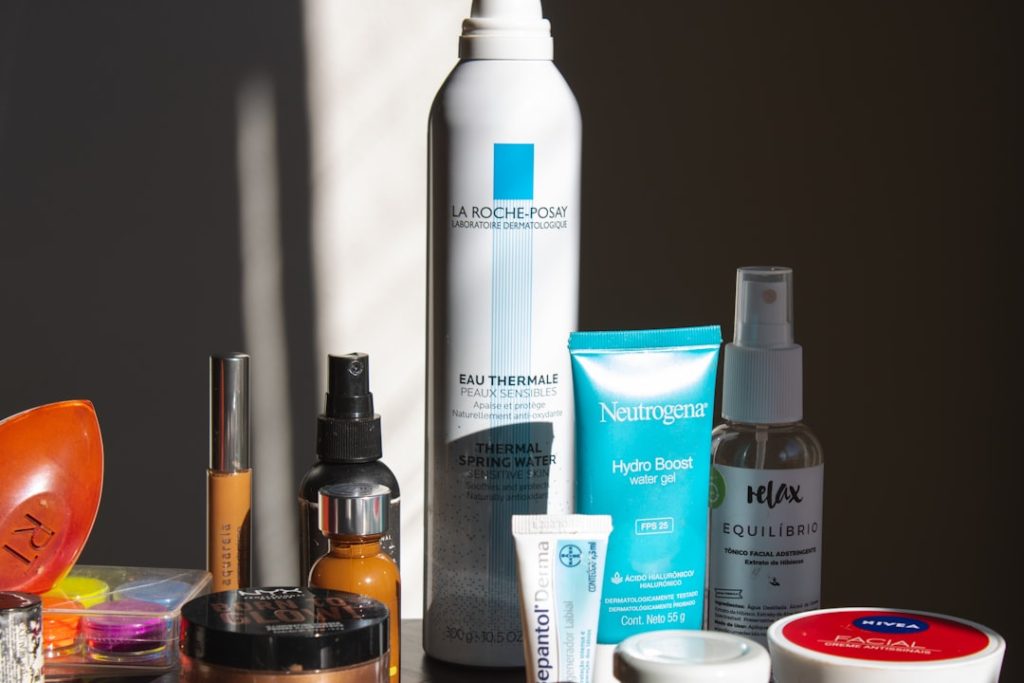
The skincare industry loves to promise miracles in a jar, and nowhere is this more evident than in the crowded market of skin-firming creams. As someone who has spent years analyzing beauty claims, I believe it’s crucial to separate the science from the sales pitch when it comes to these products.
The reality is that most firming creams operate in a gray area between legitimate skincare and wishful thinking. While certain ingredients can genuinely improve skin texture and appearance over time, the dramatic “lifting” effects promised by many brands are largely temporary illusions created by film-forming ingredients that tighten the skin’s surface.
The Science Behind Skin Firmness
Understanding what actually causes skin to lose firmness is essential for evaluating these products honestly. As we age, our skin produces less collagen and elastin—the proteins responsible for structure and bounce. Additionally, our natural hyaluronic acid production decreases, leading to reduced moisture retention and plumpness.
This is where I think the confusion begins. Many consumers expect topical creams to reverse years of collagen loss, which is simply unrealistic. What these products can do is support the skin’s existing structure and potentially slow further deterioration.
Ingredients That Actually Make a Difference
In my opinion, the most effective firming creams focus on proven ingredients rather than flashy marketing claims. Retinoids remain the gold standard for stimulating cellular turnover and collagen production, though they require patience and consistent use to show results.
Peptides represent another category worth considering, particularly for those who cannot tolerate retinoids. These protein fragments can signal the skin to produce more collagen, though the effects are generally subtler than what you’d achieve with vitamin A derivatives.

I’m particularly skeptical of products that promise immediate results. While ingredients like caffeine can temporarily improve circulation and create a plumping effect, these benefits disappear within hours. Anyone looking for lasting change should focus on long-term skin health rather than quick fixes.
Who Should Consider Firming Creams
These products are most beneficial for individuals in their late twenties to early forties who are beginning to notice subtle changes in skin texture and firmness. For this demographic, a well-formulated firming cream can serve as preventative maintenance, potentially slowing the visible signs of aging.
However, I believe people with significant skin laxity would be better served by professional treatments. No topical product can replicate the results of laser therapy, radiofrequency treatments, or surgical procedures. Setting realistic expectations is crucial to avoid disappointment and wasted money.
The Affordable vs. Luxury Debate
One of the most persistent myths in skincare is that expensive automatically means effective. Some drugstore formulations contain the same active ingredients as their luxury counterparts, often at concentrations that are just as effective.
What you’re often paying for with high-end products is elegant packaging, pleasant textures, and brand prestige. While these factors can enhance the user experience, they don’t necessarily translate to better results. I always advise focusing on ingredient lists rather than price tags.
Application Areas and Targeted Concerns
The neck and décolletage areas deserve special attention when discussing firming products. These regions often show signs of aging earlier than the face due to thinner skin and frequent neglect in skincare routines. Dedicated neck creams can be worthwhile investments, though many face products work equally well when extended to these areas.

Eye creams represent another specialized category, though I’m often skeptical of their necessity. The delicate eye area does benefit from gentler formulations, but many people can achieve similar results by using their regular face cream with a lighter application technique.
Realistic Timeline and Expectations
Perhaps the most important message I can convey is that legitimate skin improvement takes time. Any product promising overnight transformation is likely relying on temporary effects that won’t last. Meaningful changes in skin firmness and texture typically require 8-12 weeks of consistent use.
I believe the best approach is to view firming creams as part of a comprehensive anti-aging strategy that includes sun protection, proper hydration, and healthy lifestyle choices. They’re tools for maintenance and gradual improvement, not miracle solutions for dramatic transformation.
The Bottom Line
Firming creams can be valuable additions to a skincare routine when chosen wisely and used with realistic expectations. They’re most effective for mild concerns and work best as preventative measures rather than corrective treatments.
For those dealing with significant skin laxity, I strongly recommend consulting with a dermatologist about professional treatment options. While topical products have their place, they simply cannot compete with medical procedures when it comes to addressing advanced signs of aging.
The key is approaching these products with informed skepticism, focusing on proven ingredients, and remembering that true skin health is built through consistent care over time, not quick fixes in expensive jars.
Photo by Arthur Pereira on Unsplash