The Science Behind Effective Skin Firming Creams: What Actually Works
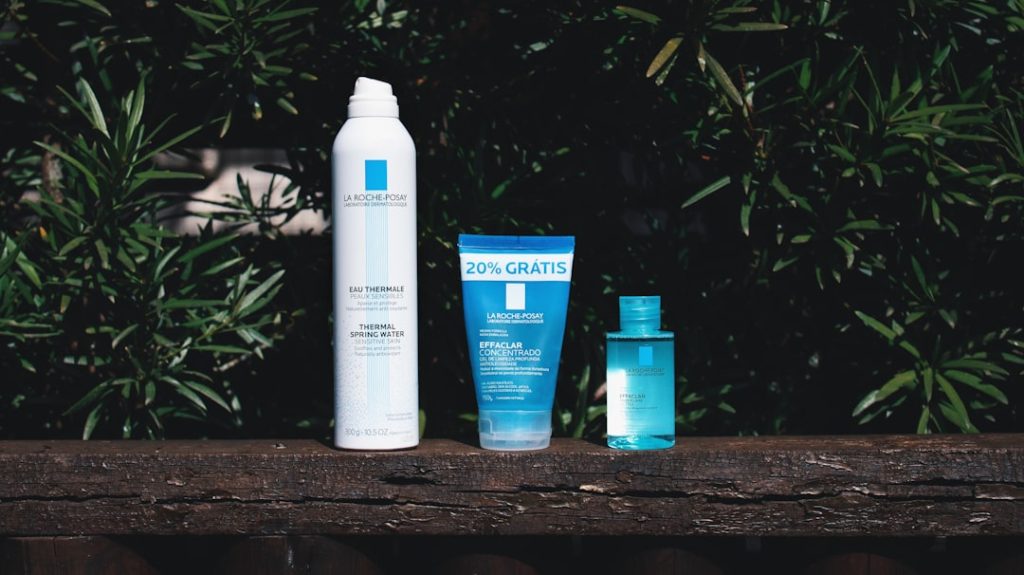
The pursuit of firmer, more youthful skin has driven countless people to explore topical treatments, but I believe it’s crucial to understand what these products can and cannot realistically achieve. While the cosmetic industry continues to evolve with innovative ingredients, the fundamental truth remains: no cream can replicate the dramatic results of professional treatments.
What fascinates me about the current landscape is how far we’ve progressed beyond basic formulations. Today’s advanced firming creams incorporate cutting-edge components like growth factors, exosomes, and sophisticated peptide complexes alongside proven workhorses like retinoids. This evolution represents genuine scientific advancement, though I think consumers need realistic expectations about outcomes.
Understanding the Science of Skin Firmness
The aging process fundamentally alters our skin’s structural integrity. As collagen production declines and elastin fibers weaken, we experience the telltale signs of sagging and loss of elasticity. What I find particularly important for consumers to understand is that while topical treatments can support and enhance the skin’s natural repair processes, they work gradually and require consistent long-term use.
Modern firming formulations target multiple pathways simultaneously. Retinoids stimulate cellular turnover and collagen synthesis, peptides signal the skin to produce structural proteins, and humectants like hyaluronic acid provide immediate plumping effects. The most effective products combine these approaches rather than relying on a single active ingredient.
Key Ingredients That Deliver Results
From my perspective, certain ingredients have proven their worth through both clinical research and real-world application. Retinoids remain the gold standard for stimulating collagen production, though they require patience and proper introduction to minimize irritation. I particularly appreciate formulations that buffer retinol with soothing botanicals like bakuchiol, making vitamin A derivatives more accessible to sensitive skin types.

Peptides represent another category I find genuinely promising. These protein fragments can signal fibroblasts to increase collagen and elastin production, offering a gentler alternative to retinoids. However, not all peptides are created equal – the most effective formulations use specific sequences that have undergone rigorous testing.
What excites me about emerging ingredients like exosomes and growth factors is their potential to enhance cellular communication and repair processes. While the science is still developing, early results suggest these biotechnology-derived components could represent the next frontier in topical anti-aging.
Who Benefits Most From Firming Creams
I believe firming creams work best for individuals experiencing mild to moderate skin laxity, particularly those in their 30s and 40s who are beginning to notice early signs of sagging. These products excel as preventive measures and maintenance tools rather than corrective treatments for advanced aging.
People with realistic expectations tend to achieve the most satisfaction. If you’re looking for subtle improvements in skin texture, hydration, and overall firmness over several months of consistent use, quality firming creams can deliver meaningful results. However, those seeking dramatic lifting effects comparable to surgical procedures will likely be disappointed.
Individuals with sensitive skin should approach firming creams cautiously, especially those containing retinoids or high concentrations of active ingredients. Starting with gentler formulations and gradually building tolerance often yields better long-term results than jumping into aggressive treatments.

Setting Realistic Expectations
What I find most important to communicate is that topical firming treatments work on a different timeline than professional procedures. While you might notice improved hydration and subtle plumping within weeks, meaningful changes in skin firmness typically require three to six months of consistent use.
The most effective approach combines quality topical products with professional treatments and excellent sun protection. I view firming creams as valuable maintenance tools that can extend and enhance the results of in-office procedures rather than standalone solutions for significant skin laxity.
Application and Usage Tips
Consistency matters more than product price when it comes to firming creams. I recommend applying these treatments to clean skin, allowing adequate absorption time before layering additional products. Many people make the mistake of using too much product or applying it inconsistently, which limits effectiveness.
For those new to active ingredients, starting with every other day application and gradually increasing frequency helps minimize irritation while allowing the skin to build tolerance. This approach is particularly important with retinoid-containing formulations.
The Bottom Line on Skin Firming
While I’m genuinely optimistic about advances in topical firming technology, I believe honesty about limitations is essential. These products work best as part of a comprehensive approach to skin health that includes sun protection, professional treatments when appropriate, and realistic timelines for seeing results.
The individuals who achieve the most satisfaction from firming creams are those who view them as long-term investments in skin health rather than quick fixes. When used consistently with appropriate expectations, quality formulations can contribute meaningfully to maintaining skin firmness and overall appearance as we age.
Ultimately, the best firming cream is one that fits your skin type, lifestyle, and budget while containing proven active ingredients. The key is finding a product you’ll actually use consistently, as the most sophisticated formulation in the world won’t help if it sits unused on your bathroom shelf.
Photo by Arthur Pereira on Unsplash