Sustainable Kitchen Solutions: Reusable Products That Actually Deliver on Their Promises
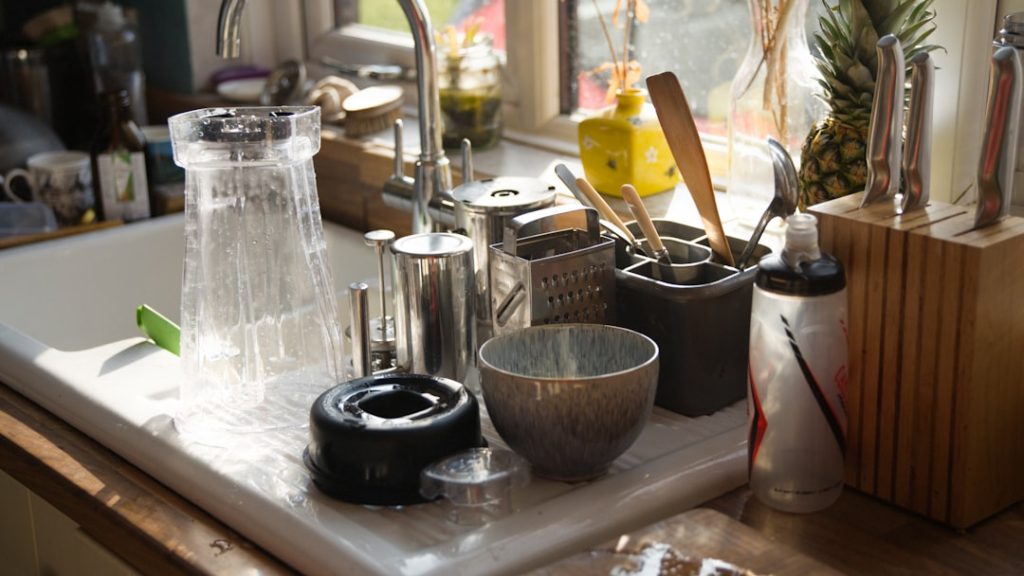
Kitchen chaos isn’t always dramatic—it’s the quiet accumulation of soggy sponges, endless rolls of disposable towels, and organizers that never quite fit right. I’ve watched people mindlessly grab the same throwaway products week after week, seemingly unaware that better alternatives exist. This mindset drives me crazy because the solution isn’t buying more stuff—it’s investing in the right products once and using them until they genuinely wear out.
This guide targets people exhausted by constant restocking cycles. If you’re tired of replacing cheap sponges weekly or buying paper towels out of habit rather than necessity, these reusable alternatives deserve serious consideration. However, if you’re someone who enjoys the convenience of disposables and doesn’t mind the ongoing expense, these products might feel like unnecessary complications in your routine.
Fabric Towel Alternatives: Cotton Flannel Squares
Flannel cleaning squares represent one of the smartest swaps in sustainable kitchen products. These soft cotton pieces handle spills more effectively than traditional paper towels while maintaining a clean aesthetic. A set of two dozen squares washes and dries repeatedly without losing effectiveness, and they naturally cling together on standard towel holders—no lifestyle announcements required.
I think this product works because it doesn’t demand behavioral changes. You reach for it the same way you’d grab a paper towel, but the performance is actually superior for most tasks. The key advantage is absorption capacity—flannel holds significantly more liquid than paper alternatives. That said, people who frequently deal with raw meat or heavy grease might find themselves reaching for disposables anyway, which somewhat defeats the purpose.
This solution benefits households focused on reducing waste without sacrificing convenience. It won’t work for people who prefer throwing things away after one use or those who find laundry management already overwhelming.
Advanced Cleaning Sponges: Temperature-Responsive Foam Technology
Traditional dish sponges become bacterial breeding grounds within days, creating that distinctive smell of kitchen defeat. Temperature-responsive cleaning sponges change the game entirely through their FlexTexture technology—firm in cold water for scrubbing, soft in warm water for delicate surfaces. They resist odor absorption and last weeks instead of days.
What impresses me most is the longevity factor. While the upfront cost exceeds conventional sponges, the extended lifespan makes the economics compelling. These sponges don’t scratch non-stick surfaces or enameled cookware, addressing a major concern with abrasive alternatives. The dye-free versions eliminate unnecessary colorants for people sensitive to additives.

This product suits households prioritizing durability and performance over rock-bottom pricing. It’s perfect for people who cook frequently and need reliable cleaning tools. However, if you rarely wash dishes by hand or prefer replacing sponges frequently regardless of condition, the benefits become less relevant.
Natural Food Wrapping: Beeswax-Infused Cotton Sheets
Beeswax food wraps offer a compelling alternative to plastic wrap, though they’re not universal replacements. Made from organic cotton, beeswax, plant oils, and tree resin, these wraps mold to food shapes using hand warmth and maintain freshness effectively. The cut-to-size roll format eliminates the common problem of having wrong-sized pieces.
I appreciate that these wraps excel at specific tasks—wrapping cheese, covering bowls, protecting cut produce. They’re particularly brilliant for items like Parmesan, where the breathable material actually improves storage. The one-year lifespan with reasonable care makes the investment worthwhile, and composting at end-of-life appeals to environmentally conscious users.
However, the limitations are real. You can’t use them with raw meat or hot items, and they require cold-water cleaning. People who frequently wrap messy or temperature-sensitive foods might find themselves frustrated by these restrictions. This product works best for households already committed to reducing plastic use and willing to adapt their food storage habits.
Silicone Storage Solutions: Professional-Grade Reusable Bags
Platinum silicone storage bags represent the premium end of reusable food storage, and honestly, the price reflects that positioning. These bags handle freezing, microwaving, dishwashing, and even sous vide cooking without degradation. The airtight sealing mechanism actually works, unlike many cheaper alternatives that leak or fail to maintain freshness.
The durability justifies the investment over time—I’ve used the same bags for three years with no signs of wear. The versatility impresses me most; these bags replace multiple single-use products across different cooking and storage scenarios. For people who meal prep extensively or cook using various techniques, the functionality becomes invaluable.
That said, the upfront cost creates a significant barrier. A single bag costs more than an entire box of disposable alternatives. This makes sense for households that use storage bags frequently and value long-term cost savings, but casual users might never recoup the initial investment. People who rarely freeze food or prefer rigid containers might find limited utility here.

Expandable Drawer Organization: Adjustable Kitchen Tool Storage
Most drawer organizers fail because they assume standard drawer dimensions that rarely exist in real kitchens. Expandable organizers solve this fundamental problem by adjusting across wide size ranges without requiring shims or modifications. The compartments provide adequate depth for upright tool storage, and the materials resist odor absorption.
What makes this approach superior is the flexibility factor. Instead of measuring precisely and hoping for the best, you adjust the organizer to fit your actual drawer. The compartments accommodate various utensil sizes without creating wasted space or overcrowding. Easy cleaning maintains hygiene standards without special care requirements.
This solution works excellently for people frustrated by ill-fitting organizers or those dealing with non-standard drawer sizes. It’s less valuable for households with perfectly standard dimensions where basic organizers work fine, or for people who prefer loose storage without compartmentalization.
Concentrated Cleaning Systems: Refillable Glass Spray Bottles
The typical kitchen cabinet contains multiple plastic spray bottles in various states of emptiness, all destined for disposal. Concentrated cleaning systems replace this waste stream with a single glass bottle and concentrated refills. You add water to the concentrate, shake, and have a full bottle of effective cleaner.
I find the logistics compelling—shipping concentrated product instead of mostly water reduces packaging waste and storage requirements. The glass construction with silicone sleeves provides durability while looking significantly better than plastic alternatives. The plant-based formula avoids harsh chemicals while maintaining cleaning effectiveness.
This approach benefits people who clean frequently and want to reduce packaging waste. The concentrate system works well for households committed to refillable products and comfortable with mixing solutions. However, people who prefer ready-to-use products or rarely clean surfaces might find the extra steps annoying rather than beneficial.
Selection Methodology: Real-World Testing Over Marketing Claims
These recommendations emerge from weeks of actual kitchen use rather than controlled testing scenarios. I focused on products that simplified rather than complicated daily routines, eliminating anything that created more work than it solved. The key criterion was survival—these items remained useful and accessible after the novelty wore off.
Durability mattered more than initial cost, and versatility trumped specialized function. Products that required significant behavior changes or constant maintenance didn’t make the cut, regardless of their environmental benefits. The goal was finding reusable alternatives that actually stick in busy household routines.
Photo by Marc Pell on Unsplash
Photo by Annie Spratt on Unsplash
Photo by byMATTER MADE BETTER on Unsplash