Nine Global Locations Where Women Face Entry Restrictions in 2026
Despite significant progress in gender equality worldwide, numerous locations across the globe continue to prohibit women from entering in 2026. These restrictions span from educational institutions and religious sites to exclusive clubs and sacred mountains, affecting millions of women through various forms of discrimination.
Gender-based exclusion manifests in multiple ways across different cultures and societies. While some restrictions are rooted in religious traditions, others stem from legal frameworks, institutional policies, or historical practices that persist despite modern calls for equality. These barriers range from complete physical exclusion from certain spaces to denial of professional opportunities and fundamental rights like education and healthcare access.
Educational Institutions in Afghanistan
The Taliban’s educational policies in Afghanistan represent one of the most severe restrictions on women’s access to learning. Since 2022, women have been completely prohibited from attending universities, with authorities claiming this preserves national interests and women’s dignity. Additionally, girls cannot attend school beyond sixth grade, a policy affecting over 2.2 million young women and girls. UNESCO reports that more than 70 decrees have been implemented since the Taliban’s return to power, systematically violating women’s and girls’ rights to education.
Catholic Priesthood in Vatican City
The Roman Catholic Church maintains its centuries-old tradition of excluding women from ordination as priests or bishops. While women can serve in various administrative roles within Vatican operations and as nuns in lay ministry, they cannot perform official sacraments or consecrate the Eucharist. Church leadership has explained this restriction through theological principles, though critics note the historical role of women like Mary Magdalene in early Christianity challenges these contemporary limitations.
Masonic Lodges Across the United States
Freemasonry organizations throughout America continue their historical practice of male-only membership, despite operating for over two centuries. This secretive brotherhood, which has included numerous U.S. presidents among its ranks, maintains strict hierarchical traditions that exclude women from mainstream Grand Lodges. Women seeking involvement in Masonic-related activities must join alternative organizations like the Order of the Eastern Star, a charitable group associated with but separate from traditional freemasonry.
Public Spaces in Iran Without Head Coverings
Iranian law requires women to wear hijabs or head coverings in all public spaces, with severe penalties for non-compliance. The 2023 legislation known as the “Protection of the Family through Promoting the Culture of Hijab and Chastity” law imposes strict dress codes, threatening violators with imprisonment, flogging, and substantial fines. This restriction gained international attention following the death of Mahsa Amini in 2022, sparking widespread protests and calls for reform.
Healthcare Facilities in Iran for Uncovered Women
Beyond public spaces, Iranian women face restrictions accessing essential services, including healthcare and education, if they fail to comply with mandatory hijab requirements. This policy creates dangerous situations where women may avoid seeking medical treatment due to dress code enforcement, potentially compromising their health and safety.
Mount Omine in Japan
This sacred mountain in Japan’s Nara Prefecture has maintained a 1,300-year prohibition against women visitors. As the birthplace of Shugendo, a mystical religion combining elements of Shinto, Buddhism, Taoism, and animism, Mount Omine serves as a pilgrimage destination for male practitioners. The UNESCO World Heritage site’s gender restriction extends to the Ōminesan-ji Temple at its summit, where traditional beliefs consider women’s presence disruptive to religious practices.
The Bohemian Club in San Francisco
Founded in 1872, this exclusive San Francisco institution maintains its original male-only membership policy. The club, established by wealthy artists, writers, and professionals, has counted prominent political figures among its members throughout its history. While legal challenges in the 1980s required the organization to hire women as staff members, the core membership restriction remains in place, generating ongoing controversy and protests.
Mount Athos in Greece
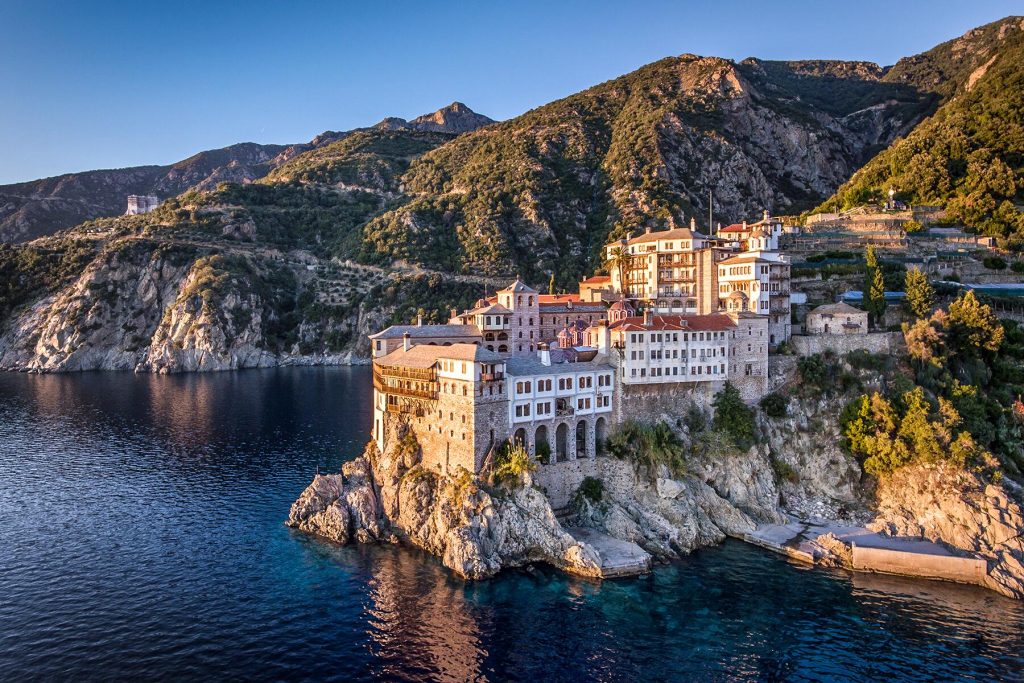
Known as “The Holy Mountain,” this peninsula in Northern Greece enforces one of the world’s strictest gender exclusions through the “Avaton rule.” Women cannot approach within 500 meters of the coastline, let alone set foot on the peninsula housing numerous Orthodox monasteries. The restriction extends to female animals, with cats being the sole exception. This policy operates under special constitutional provisions recognizing the area’s unique religious governance.
Okinoshima Island in Japan
This remote Japanese island, sacred in Shinto tradition, prohibits all tourist access but specifically bans women based on religious beliefs about purity and menstruation. A single priest maintains the island’s temple, rotating with others to care for the sacred site dedicated to Tagorihime, daughter of the sun goddess Amaterasu. While the general public cannot visit, a worship hall on nearby Oshima allows distant reverence of the sacred location.