Navigating Dangerous Waters: The High-Stakes Reality of Oil Transport Through Strategic Chokepoints
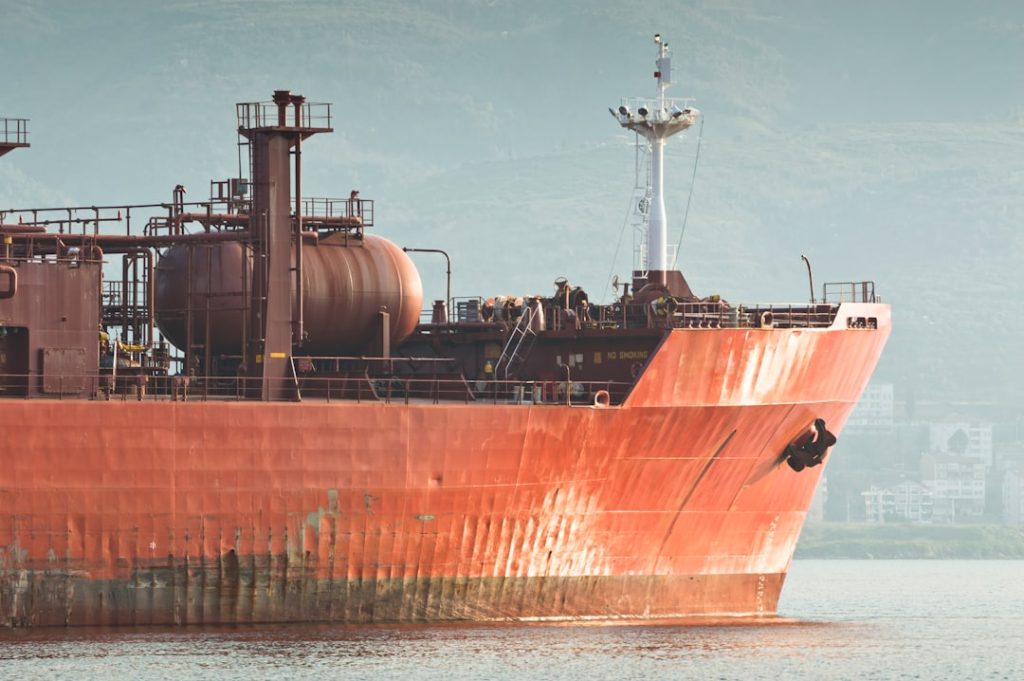
The global energy supply chain faces one of its most precarious challenges in the narrow waterways where geopolitical tensions meet critical infrastructure. Oil tankers must navigate increasingly dangerous passages where regional conflicts transform routine commercial voyages into high-risk operations that could reshape energy markets worldwide.
In my view, this situation represents far more than a shipping challenge—it’s a stark reminder of how vulnerable our interconnected global economy remains to regional instability. The reality is that a handful of strategic maritime passages control the flow of energy that powers entire continents, and when these routes become contested, the consequences ripple through every sector of the global economy.
The Strategic Importance of Maritime Energy Corridors
These critical waterways handle an enormous volume of the world’s oil trade, making them indispensable to global energy security. When tensions escalate in these regions, shipping companies face an impossible choice: continue operations and risk their vessels and crews, or suspend services and disrupt energy supplies to millions of consumers.
What strikes me most about this situation is how it exposes the fundamental fragility of just-in-time global supply chains. Energy companies and governments that have grown comfortable with predictable shipping routes now find themselves scrambling for alternatives that simply don’t exist at scale.

Who Bears the Real Cost
The shipping industry faces the most immediate impact, with vessel operators forced to make split-second decisions about route safety while managing skyrocketing insurance premiums. I believe this burden is unfairly distributed—while major energy corporations can absorb increased costs and pass them to consumers, smaller independent operators face existential threats to their businesses.
Consumers worldwide ultimately bear the financial burden through higher energy prices, but the impact isn’t evenly distributed. Developed nations with strategic petroleum reserves and diverse supply chains weather these disruptions far better than developing countries that depend heavily on consistent, affordable energy imports.
Insurance and Risk Management Challenges
Maritime insurance markets have responded predictably to increased risks by dramatically raising premiums or refusing coverage altogether for certain routes. This creates a vicious cycle where only the largest, most financially robust operators can afford to maintain services, further concentrating market power and reducing competition.
From my perspective, this consolidation trend will have long-term negative effects on shipping diversity and pricing competition, even after immediate security concerns subside.

Alternative Routes and Their Limitations
When primary shipping lanes become too dangerous, the alternatives often involve significantly longer voyages around entire continents, dramatically increasing costs and delivery times. These alternative routes lack the infrastructure and capacity to handle sudden surges in traffic, creating bottlenecks that compound supply chain disruptions.
I find it particularly concerning that many of these alternative routes pass through their own geopolitically sensitive regions, meaning that diversification doesn’t necessarily reduce risk—it just shifts it to different chokepoints with their own unique vulnerabilities.
Long-term Implications for Energy Security
This crisis will likely accelerate discussions about energy independence and supply chain resilience that have been simmering for years. Countries heavily dependent on energy imports are being forced to confront uncomfortable realities about their vulnerability to supply disruptions beyond their control.
In my opinion, this situation will drive increased investment in renewable energy infrastructure, not necessarily for environmental reasons, but as a matter of national security. When energy supply becomes a weapon, energy independence becomes a strategic imperative.
The current crisis also highlights the need for better international cooperation on maritime security. However, I’m skeptical that meaningful progress will be made given the complex web of competing national interests involved.
For energy investors and policymakers, this situation demands a fundamental reassessment of risk management strategies. The era of cheap, predictable energy transport may be ending, replaced by a more volatile environment where geopolitical risk becomes a permanent factor in energy pricing and planning.
Photo by Adem Percem on Unsplash