Naval Blockade Strategy: Understanding Modern Maritime Enforcement Operations
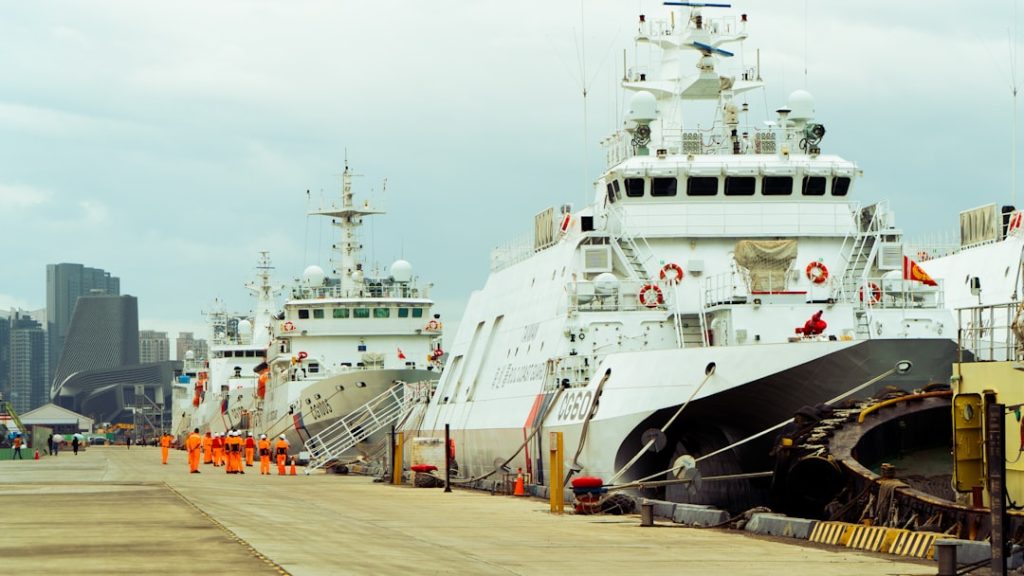
The implementation of naval blockades represents one of the most serious escalations in international maritime enforcement, fundamentally altering global shipping patterns and economic stability. When major powers deploy such tactics, the ramifications extend far beyond the immediate target region, creating ripple effects throughout international commerce and energy markets.
I believe naval blockades in today’s interconnected world are particularly dangerous tools that often cause more harm than they solve. The strategy involves positioning naval forces to prevent vessels from entering or leaving designated ports, effectively strangling a nation’s maritime trade lifelines. This approach has historically been used to pressure governments through economic strangulation, but in our modern global economy, the consequences are far more complex and widespread.
How Maritime Blockades Function
Modern naval blockades operate through a combination of surface vessels, aerial surveillance, and electronic monitoring systems. Naval forces establish exclusion zones around target ports, intercepting and turning away commercial vessels attempting to breach the perimeter. The effectiveness depends heavily on international cooperation and the willingness of shipping companies to comply with enforcement measures.

What concerns me most about this approach is how it inevitably affects civilian populations more than government decision-makers. Essential supplies including food, medicine, and fuel become scarce, creating humanitarian crises that often persist long after political objectives are achieved or abandoned.
Global Economic Implications
The economic impact of port blockades extends well beyond the targeted nation. Global supply chains, already fragile from recent disruptions, face additional strain when major shipping routes become inaccessible. Energy markets particularly suffer when oil and gas export facilities are affected, leading to price volatility that impacts consumers worldwide.
For businesses dependent on international trade, these situations create impossible choices. Companies must weigh legal compliance against economic survival, often leading to significant financial losses regardless of their decision. Small and medium enterprises suffer disproportionately, lacking the resources of larger corporations to absorb extended disruptions.

Strategic Effectiveness and Limitations
While proponents argue that economic pressure through blockades can achieve political objectives without direct military confrontation, the historical record suggests mixed results at best. Nations under blockade often find alternative routes and partners, sometimes strengthening relationships with countries opposed to the enforcing power.
I find it troubling that blockades often strengthen authoritarian governments by providing them with external enemies to blame for domestic hardships. Rather than weakening targeted regimes, these measures frequently consolidate power by allowing leaders to frame economic difficulties as foreign aggression rather than policy failures.
Humanitarian and Legal Considerations
International maritime law provides frameworks for blockades, but enforcement often occurs in legal gray areas. The distinction between military and civilian targets becomes blurred when essential infrastructure and commercial ports are involved. Humanitarian supplies theoretically receive protection, but practical implementation remains challenging.
The human cost of these operations cannot be understated. Medical supplies, food imports, and fuel for civilian use all face restrictions, creating conditions that disproportionately affect vulnerable populations. This raises serious questions about proportionality and the ethics of using economic warfare against entire populations to influence government behavior.
For policymakers considering such measures, I believe the focus should shift toward more targeted sanctions that minimize civilian impact while maximizing pressure on decision-makers. For businesses and individuals in affected regions, diversifying supply chains and developing contingency plans becomes essential for survival during extended maritime disruptions.
Photo by Ivanna Vinnicsuk on Unsplash
Photo by PortCalls Asia on Unsplash
Photo by Bent Van Aeken on Unsplash