Middle East Tensions Drive First Global Oil Demand Drop Since Pandemic
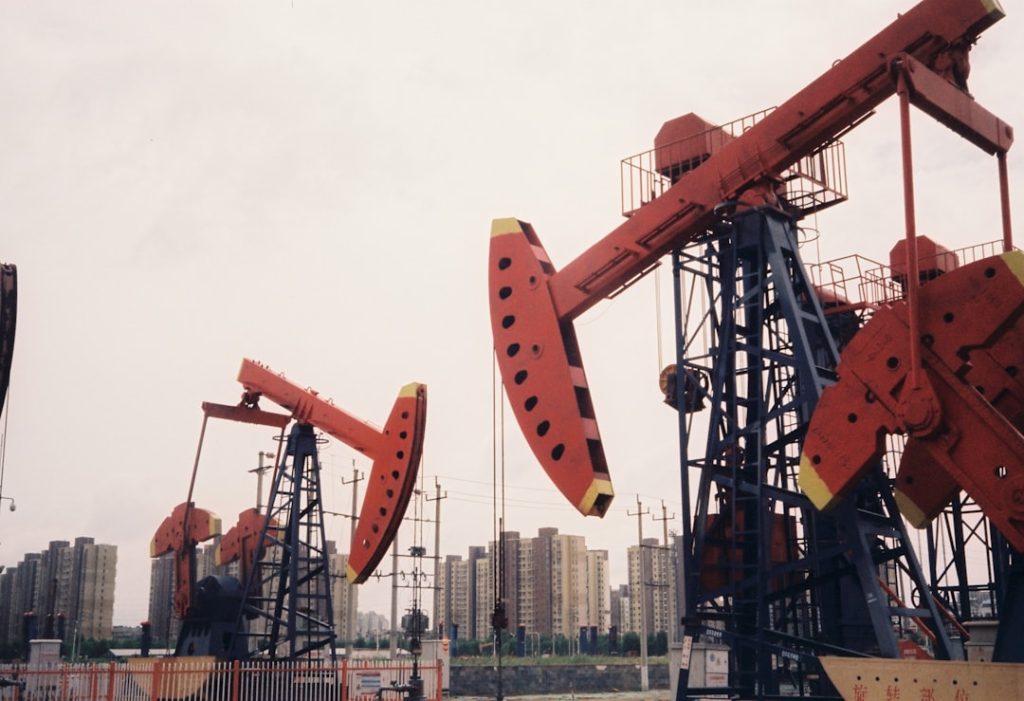
The world faces its first decline in oil consumption since the COVID-19 crisis, as escalating Middle Eastern conflicts send energy prices soaring and crush global demand, according to the International Energy Agency’s latest assessment.
This development represents a significant shift in the energy landscape, and frankly, it’s not entirely surprising given the geopolitical volatility we’ve witnessed. The agency’s monthly analysis reveals that regional warfare has fundamentally disrupted oil consumption patterns worldwide, creating ripple effects that extend far beyond the immediate conflict zones.

What strikes me as particularly concerning is how rapidly consumer behavior changes when faced with price shocks. The surge in crude oil costs, along with dramatic increases in refined product prices including aviation fuel, diesel, and gasoline, is forcing both individual consumers and businesses to reassess their energy usage. This isn’t just about filling up your car costing more – it’s about fundamental changes to travel patterns, shipping costs, and industrial operations.
For everyday consumers, this situation presents a double-edged challenge. Those who rely heavily on personal vehicles or frequently travel by air will feel the most immediate impact. Small businesses operating on thin margins, particularly in transportation and logistics, face especially difficult decisions about maintaining operations versus absorbing higher costs.

However, I believe this crisis could accelerate some positive long-term trends. Companies and governments that have been hesitant about investing in alternative energy sources may finally recognize the strategic importance of reducing oil dependency. The current price volatility serves as a stark reminder of how geopolitical events can instantly disrupt energy markets.
The timing of this demand destruction is particularly noteworthy. Unlike the 2020 pandemic-driven decline, which resulted from lockdowns and travel restrictions, this reduction stems from economic pressure rather than physical constraints. In my view, this makes the current situation potentially more sustainable – people aren’t being forced to stay home, they’re choosing to modify their consumption patterns.
What concerns me most is the potential for this trend to persist even after immediate conflicts subside. Once consumers and businesses adapt to lower energy consumption patterns, returning to previous usage levels often proves challenging. This could signal a more permanent shift in global oil demand trajectories.
For investors and energy companies, this presents both risks and opportunities. Traditional oil producers face obvious headwinds, but companies positioned in renewable energy, efficiency technologies, and alternative transportation could see accelerated adoption of their solutions. The key question is whether this demand destruction will prove temporary or mark the beginning of a structural change in global energy consumption patterns.
Photo by Documerica on Unsplash