Legal Representative Threatens to Expose Officials Following Tragic Attack Investigation
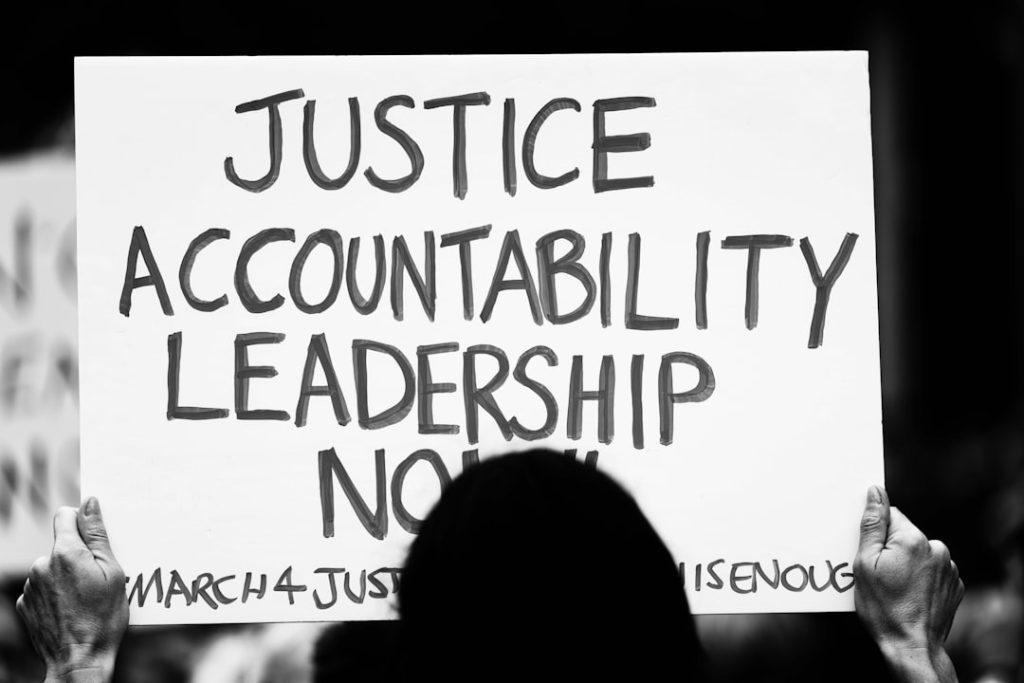
In my view, this represents a watershed moment in how we handle institutional accountability following preventable tragedies. The legal counsel representing families affected by a devastating attack has issued an ultimatum that should make every public servant take notice: face proper disciplinary action or be publicly named for your failures.
The threat comes after an official inquiry revealed what can only be described as a systemic breakdown across multiple agencies. Three young children – Bebe King, Elsie Dot Stancombe, and Alice da Silva Aguiar – lost their lives in an attack that investigators now classify as both predictable and preventable. This isn’t just bureaucratic finger-pointing; it’s about fundamental failures that cost innocent lives.
What strikes me most about this case is how it exposes the dangerous game of institutional hot potato that too often passes for public service. The inquiry identified what officials called a “merry-go-round” of referrals and assessments, where responsibility was systematically shuffled between agencies rather than properly addressed. This kind of bureaucratic buck-passing should infuriate every taxpayer who expects competent protection from their public institutions.
The Accountability Ultimatum
Legal representative Chris Walker has identified five specific agencies that he believes failed catastrophically: the Prevent program, local police forces, social services, and specialized mental health services for children and adolescents. His approach is refreshingly direct – these organizations have been given a clear choice between internal accountability and public exposure.

I believe this strategy could be transformative for how we handle institutional failures. Too often, public inquiries result in vague recommendations that gather dust on shelves while the same officials continue in their roles. Walker’s threat to name names creates real consequences for individual decision-makers, not just abstract organizational blame.
The families affected by this tragedy deserve more than bureaucratic apologies and policy tweaks. They deserve to see that the people whose job it was to protect their children face real accountability for their failures. This approach serves both justice and deterrence – other officials will think twice before passing the buck when lives are at stake.
Systemic Problems Require Individual Solutions
What the inquiry revealed should concern anyone who relies on public services for protection. The perpetrator’s autism was reportedly used as an excuse rather than properly assessed as part of a comprehensive risk evaluation. Multiple agencies had contact with the individual, yet none took ownership of the escalating threat he posed.
This case perfectly illustrates why I believe we need fundamental reform in how public agencies handle complex cases involving potential violence. The current system incentivizes agencies to minimize their involvement rather than maximize their effectiveness. When everyone is responsible, no one is responsible.

The legal team’s focus on individual accountability within these agencies is exactly what’s needed. Organizational restructuring and policy changes matter, but they’re meaningless without consequences for the people who make day-to-day decisions about public safety.
Beyond Bureaucratic Band-Aids
Walker’s criticism of the Prevent program highlights a particularly troubling aspect of this case. His argument that the program fails to understand ideology while focusing too narrowly on specific motivations makes perfect sense to me. The intent to cause mass harm should trigger intervention regardless of the underlying reasoning.
This tragedy should serve as a wake-up call for anyone involved in public safety and child protection. The families involved are living what Walker aptly describes as a “horror movie,” reliving their trauma with each new report and investigation. They deserve better than endless inquiries that produce recommendations without consequences.
The upcoming second phase of the inquiry will examine how authorities identify and manage individuals fixated on extreme violence. While this research is necessary, I’m more interested in seeing immediate accountability for the failures already identified. Research without consequences is just expensive procrastination.
For families facing similar situations, this case demonstrates the importance of demanding specific accountability rather than accepting vague institutional apologies. For public officials, it should serve as a clear warning that the era of consequence-free failure may be ending. The threat to name names isn’t just about this case – it’s about establishing a precedent that could transform how public servants approach their responsibilities.
Photo by Stewart Munro on Unsplash
Photo by Maria Oswalt on Unsplash
Photo by Joel Muniz on Unsplash