Housing Crisis Forces Families into Dangerous Living Conditions as Children Suffer Health Consequences
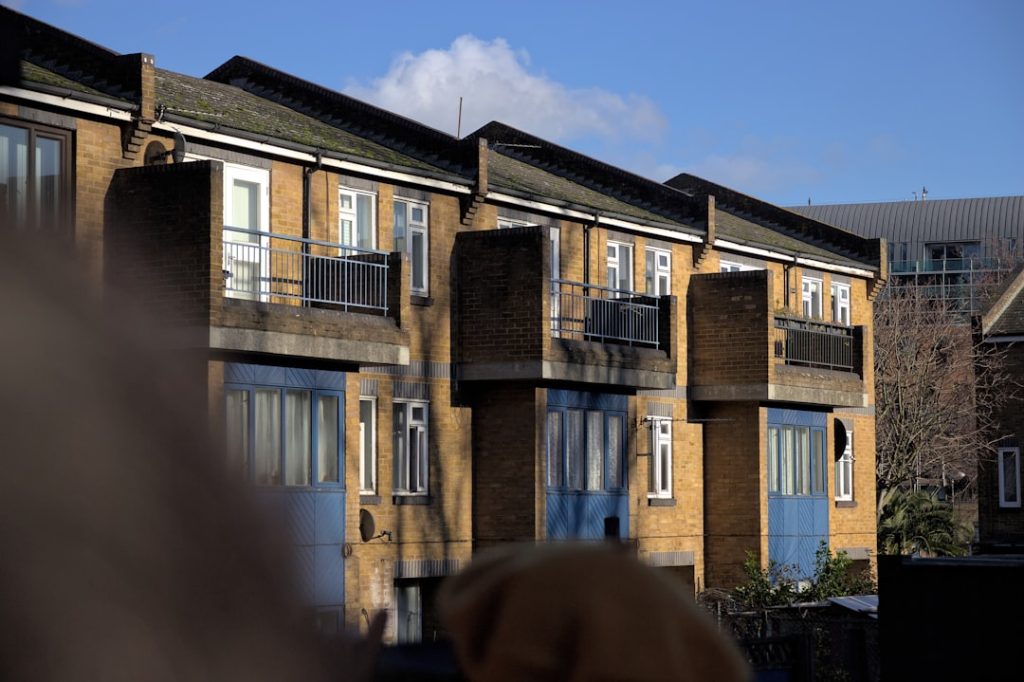
The state of temporary housing in England has reached a breaking point, and frankly, it’s unconscionable that we’re allowing families to live in conditions that are literally making their children sick. What we’re witnessing is nothing short of a public health emergency masquerading as a housing shortage.
Consider the reality facing Nestere Yehdego and his family – four people crammed into a single bedroom in Slough. His four-year-old daughter can’t get proper sleep because her baby sister’s crying wakes her multiple times each night. This isn’t just about comfort; it’s about a child’s development and readiness for school. I believe this situation represents a fundamental failure of our housing system that prioritizes profit over people’s basic needs.
The numbers tell a stark story: approximately 135,000 families, encompassing nearly 176,000 children, currently inhabit temporary housing across England – the highest figure ever recorded. What’s particularly troubling is that many of these properties have been deemed “unfit for human habitation” by parliamentary investigators. This isn’t acceptable in a developed nation in 2024.
Health Impacts That Demand Immediate Action
The health consequences are devastating and, in my opinion, entirely preventable. Yehdego’s one-year-old daughter suffers from persistent rashes and allergic reactions directly attributed to mold and dampness in their accommodation. When medical professionals immediately ask about housing conditions upon seeing these symptoms, it’s clear this problem is widespread and recognized within the healthcare system.

Alicia Samuels’ experience with her six-year-old son Aeon illustrates how temporary housing can create permanent health problems. The child developed hearing loss and sleep apnea due to mold exposure and poor living conditions. What strikes me as particularly tragic is that Aeon has never known a permanent home – he’s lived in five different temporary properties since birth.
The mouse infestation Samuels described – finding dead rodents in her bathroom and watching them run across kitchen counters where she prepares food – represents conditions that would be unacceptable in any context, let alone where children are supposed to feel safe and secure.
A System That Fails the Most Vulnerable
I think the most damning evidence comes from a separate parliamentary report revealing that temporary accommodation contributed to at least 104 child deaths between 2019 and 2025. Seventy-six of these children were under one year old. These aren’t statistics – they’re preventable tragedies that highlight systemic failures.
The fact that nearly one in four of these deaths occurred in London, with around 40% involving children from ethnic minority backgrounds, suggests this crisis disproportionately affects already marginalized communities. This pattern indicates that housing inequality intersects with racial and economic disparities in ways that literally cost lives.

Recent legislation known as Awaab’s Law – named after two-year-old Awaab Ishak who died from mold exposure – requires social landlords to address urgent hazards within 24 hours. However, parliamentary committees are pushing for this law to apply to temporary accommodation, which tells you everything you need to know about current standards.
Who This Crisis Affects Most
This housing emergency primarily impacts low-income families, single parents, and ethnic minorities who lack the financial resources to secure private accommodation. Young children bear the brunt of these conditions, developing health problems that could affect them for life. Pregnant women and new mothers face particular risks, as evidenced by Samuels having to navigate dangerous stairs while recovering from a C-section.
Middle-class families with stable incomes and housing security may not fully grasp the severity of this crisis, but they should understand that inadequate temporary housing affects entire communities through increased healthcare costs and educational disruption.
Housing advocates like Shelter’s chief executive Sarah Elliott argue that the solution requires building 90,000 social rent homes annually over the next decade. I believe this approach addresses the root cause rather than merely managing symptoms. Without substantial investment in affordable permanent housing, we’re essentially condemning another generation of children to health problems and developmental challenges.
The government’s acknowledgment through Homelessness Minister Alison McGovern that bed-and-breakfast accommodations are “tragically contributing to the deaths of children” represents a crucial admission. However, recognition without immediate, large-scale action feels insufficient given the urgency of the situation.
This crisis demands immediate intervention not just for humanitarian reasons, but because the long-term costs – in healthcare, education, and social services – far exceed the investment required to provide decent housing. Every day we delay action, more children suffer consequences that could have been prevented.
Photo by Guilherme Fontes on Unsplash
Photo by Tak Kei Wong on Unsplash
Photo by Jackie Alexander on Unsplash