Decadent Chocolate Olive Oil Cake: A Mediterranean Twist on Classic Dessert
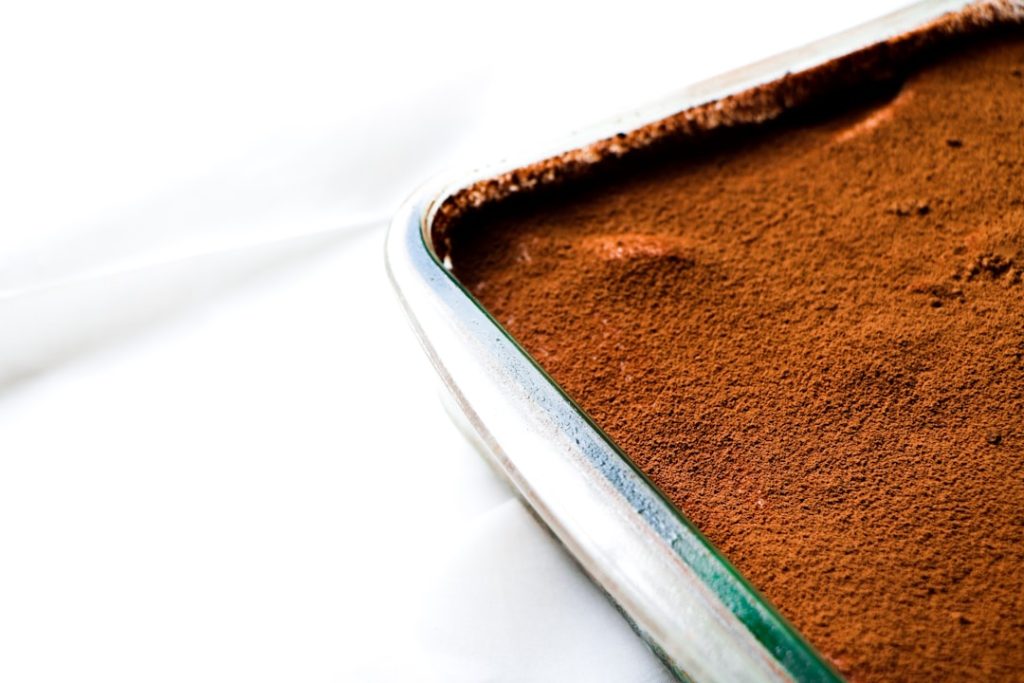
In my opinion, chocolate olive oil cake represents one of the most underappreciated desserts in modern baking. This isn’t just another chocolate cake recipe – it’s a sophisticated approach to dessert that delivers exceptional moisture and complexity through the strategic use of extra-virgin olive oil. I believe this cake will particularly appeal to home bakers looking to elevate their repertoire beyond standard butter-based desserts.
Understanding the Appeal of Olive Oil in Baking
What makes this dessert special is how olive oil transforms the traditional chocolate cake experience. The oil creates an incredibly tender crumb while adding subtle fruity notes that complement the cocoa beautifully. I think this technique works best for confident home bakers who aren’t afraid to experiment with unconventional ingredients. However, traditionalists who prefer classic butter cakes might find the flavor profile too adventurous for their taste.
Essential Ingredients for Success
The foundation of this cake relies on carefully balanced proportions. You’ll need one and a half cups of granulated sugar combined with one and one-third cups of all-purpose flour. The chocolate component comes from half a cup of Dutch-process cocoa powder, which I believe provides superior depth compared to natural cocoa.
The leavening system includes two teaspoons of kosher salt and three-quarters teaspoon of baking soda. For the wet ingredients, combine two large eggs, half a cup of buttermilk, half a cup of extra-virgin olive oil, and one tablespoon of vanilla extract. This combination creates what I consider the perfect balance of richness and moisture.

Crafting the Luxurious Chocolate Frosting
The frosting elevates this cake from good to extraordinary. Start with six ounces of chopped unsweetened chocolate, which provides intense chocolate flavor without excessive sweetness. Combine this with quarter cup olive oil, one tablespoon vanilla extract, three-quarters teaspoon kosher salt, and half cup water.
The technique here matters enormously. Microwave the mixture in twenty-second intervals, stirring between each burst until smooth. This method prevents scorching while ensuring proper integration. Add two cups of powdered sugar gradually, whisking until completely dissolved. I find this frosting technique produces results that rival professional bakeries.
Baking Technique and Timing
Preheat your oven to 350 degrees and prepare either a nine-inch round pan or eight-by-eight-inch square pan with cooking spray and parchment paper. The dry ingredients should be whisked together thoroughly before adding the wet components plus three-quarters cup of water.
Bake for thirty-eight to forty-five minutes, rotating the pan halfway through for even browning. The cake is properly done when a tester emerges with just a few moist crumbs. I believe this timing is crucial – overbaking will compromise the signature moistness that makes this cake special.

Assembly and Presentation
Allow the cake to cool completely before frosting, which takes about twenty minutes in the pan plus additional cooling time on a rack. The frosting needs to reach room temperature for optimal spreading consistency – it should resemble soft fudge when ready.
Place the cake upside down on your serving plate and apply the frosting with dramatic swooshes using an offset spatula. Finish with flaky sea salt, which I think provides essential contrast to the rich chocolate flavors. An optional drizzle of olive oil before serving adds an elegant finishing touch.
Who This Recipe Serves Best
This cake particularly benefits intermediate to advanced home bakers who appreciate nuanced flavors and aren’t intimidated by unconventional techniques. It’s perfect for dinner parties where you want to impress guests with something unexpected yet approachable. However, I wouldn’t recommend this for children’s birthday parties or casual gatherings where simpler flavors might be more appropriate.
The recipe yields eight generous servings and requires approximately one hour and twenty minutes from start to finish, making it ideal for weekend baking projects rather than weeknight desserts.
Photo by Kasturi Roy on Unsplash
Photo by Richard Bell on Unsplash
Photo by Rafael Rodrigues on Unsplash