Airport Security Delays Reach Three Hours During Federal Shutdown
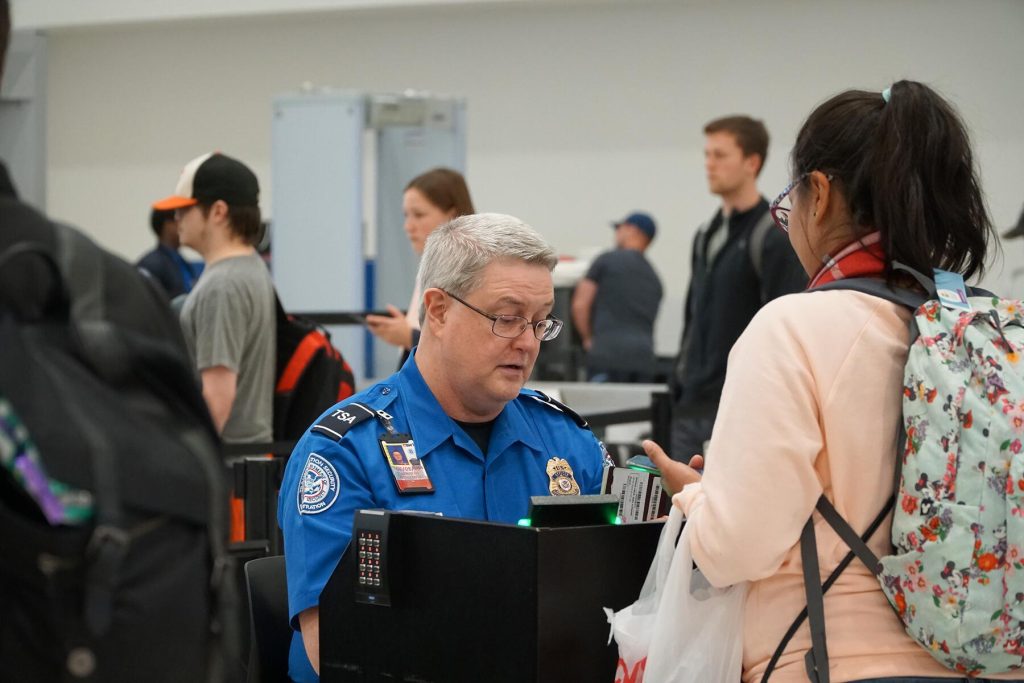
Travelers across the United States faced significant disruptions this week as airport security checkpoints experienced unprecedented delays, with some wait times extending beyond three hours due to staffing shortages during a partial government shutdown.
Extended Wait Times Plague Major Airports
Passengers at Houston’s William P. Hobby Airport and New Orleans’ Louis Armstrong International Airport encountered severe delays as Transportation Security Administration personnel, while classified as essential workers, continued operations without compensation during the Department of Homeland Security shutdown.
Airport officials at Hobby urged passengers to arrive four to five hours before their scheduled departures, as security screening wait times surpassed 180 minutes. The facility operated with limited checkpoint lanes, and TSA PreCheck services were temporarily suspended. Similarly, Louis Armstrong Airport warned travelers of potential two-hour delays that could persist throughout the week as spring travel season begins.
Tragic Incident at Las Vegas Hotel
In a shocking case of animal cruelty, a 33-year-old Canadian visitor named Mitchell Fairbarn was arrested after stealing a flamingo from the Flamingo Hotel and Casino’s wildlife habitat. Security cameras captured Fairbarn entering the enclosure at 5 a.m. on March 3, where he was seen cornering and injuring multiple birds before taking one named Peachy to his hotel room.
Authorities discovered video evidence on Fairbarn’s phone showing him with the bird, and animal control officers reported that he had severely injured the flamingo by pulling its wing from its body. Despite claiming he was attempting to help the distressed animal, Fairbarn faces animal cruelty charges that could result in up to four years in prison. A judge set bail at $12,000 and prohibited him from returning to the Strip.
Caesars Entertainment issued a statement confirming that Peachy and other affected birds are receiving medical care, with hopes for full recovery. The company emphasized its commitment to pursuing maximum legal penalties against the perpetrator.
Australia’s Twelve Apostles Introduces Entry Fees
The iconic Twelve Apostles rock formations along Victoria’s Great Ocean Road will soon require visitors to pay admission fees as part of a new management strategy. The popular tourist destination, which attracts nearly three million visitors annually with projections reaching four million, will implement a reservation system through the new Twelve Apostles Visitor Experience Center opening later this year.
Victoria’s Environment Minister Steve Dimopoulos explained that revenue from the fees will fund infrastructure preservation and address mounting pressures from tourism, climate change, and coastal erosion. The booking system aims to control visitor numbers and reduce overcrowding at the site.
Local residents and members of the Eastern Maar Indigenous community will be exempt from the charges. Officials plan to determine the fee structure after consulting with tourism operators, community leaders, and other stakeholders.
Fatal Accident at Hawaii Volcanoes National Park
A 33-year-old Hawaii resident died after being rescued from a restricted area within Hawaii Volcanoes National Park. The man entered a prohibited zone on the eastern edge of Kīlauea caldera on February 26, an area that has remained under safety alerts since 2024 due to unstable cliff formations and hazardous terrain.
Search and rescue teams conducted overnight operations in challenging conditions before locating the individual on February 27. Following an airlift evacuation, he was transported to Hilo Benioff Medical Center, where he was pronounced dead. The National Park Service has not disclosed the victim’s identity and continues investigating the circumstances surrounding the incident.
Park officials used the tragedy to remind visitors about the importance of adhering to safety regulations and staying within designated public areas, emphasizing that restricted zones exist to protect both the natural environment and visitor safety.