Global Culinary Excellence: The Most Exciting Restaurant Debuts of 2026
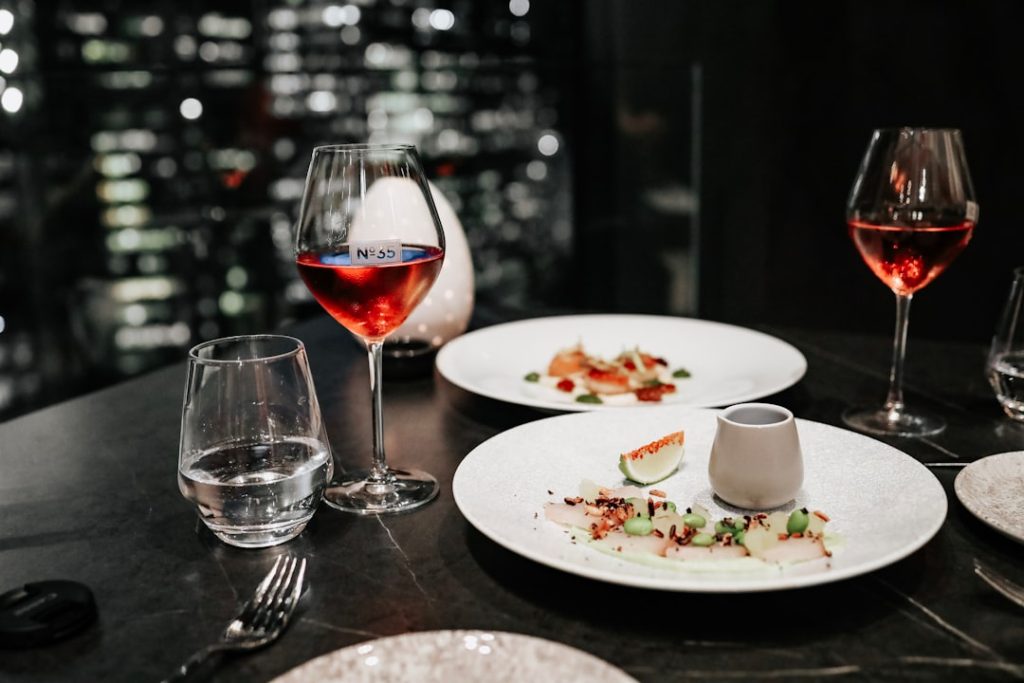
The world of fine dining has witnessed a remarkable transformation in 2026, with innovative chefs pushing boundaries and redefining culinary experiences across continents. From intimate chef’s counters to revolutionary sustainability practices, this year’s standout restaurant openings represent a fascinating blend of tradition and innovation that’s reshaping how we think about exceptional dining.
The Rise of Caribbean Innovation in Manhattan
In my opinion, one of the most significant developments this year has been the emergence of refined Caribbean cuisine in major metropolitan markets. New York’s East Village now hosts an extraordinary showcase of Barbadian culinary artistry, where a veteran chef presents elevated island flavors through dishes like ruby red shrimp with sorrel powder and Scotch bonnet heat. This matters because it represents authentic cultural expression rather than fusion for fusion’s sake—something serious food enthusiasts should absolutely prioritize over trendy but superficial interpretations.
Lima’s Return to Authentic Roots
While molecular gastronomy has dominated Peru’s capital for years, the most exciting dining destination now embraces traditional taberna culture. This shift toward nostalgia-driven comfort food—featuring bright ceviches with rocoto pepper and stuffed caigua in rich broths—signals what I believe is a healthy correction in the fine dining world. Serious diners who appreciate genuine cultural connection will find this approach far more rewarding than Instagram-friendly molecular experiments that prioritize spectacle over soul.

Sustainability Takes Center Stage in Paris
The French capital’s most innovative opening demonstrates that environmental consciousness and culinary excellence aren’t mutually exclusive. This multi-concept venue eliminates ice machines and ensures every ingredient appears across multiple preparations—duck legs in bao buns evolve into breast presentations, while squash appears as confit, fermented ice cream, and liqueur. For environmentally conscious diners, this represents the future of responsible fine dining, though traditionalists might find the concept overly structured.
Asian Culinary Mastery Across Continents
Singapore’s newest fine dining establishment, perched 55 stories above Marina Bay, exemplifies the sophistication of modern Cantonese cuisine. Executive chef Albert Li’s two-decade Michelin-starred background shows in delicate Teochew preparations and creative dim sum presentations. However, this level of refinement comes with sky-high prices that make it accessible only to serious fine dining enthusiasts with substantial budgets.
Meanwhile, San Francisco’s modern Chinese restaurant scene gains a significant player with a chef’s impressive international credentials. The five-day quail preparation process demonstrates the kind of technical mastery that separates exceptional restaurants from merely good ones—though casual diners might find such elaborate techniques unnecessarily complex for their dining preferences.

The Plant-Based Revolution in Southeast Asia
Vietnam’s first zero-waste, plant-based restaurant represents a groundbreaking achievement in sustainable dining. The complete supply chain transformation—from recycled crockery to comprehensive vegetable utilization—appeals to environmentally conscious diners seeking meaningful change. However, those expecting traditional Vietnamese flavors might find the plant-focused approach doesn’t satisfy their cultural dining expectations.
European Excellence and Reinvention
Madrid’s most celebrated opening earned a Michelin star within five months, showcasing Spanish-Nordic fusion that bridges culinary traditions brilliantly. The 12-seat intimate format creates an exclusive experience that serious food enthusiasts will treasure, though the limited seating makes reservations extremely challenging for casual diners.
Belgium’s restaurant scene witnessed a remarkable reinvention when a celebrated two-Michelin-starred establishment completely reimagined itself in a new location. The transformation from spectacle-driven dining to intimate, emotion-focused experiences represents what I consider the evolution of mature fine dining—prioritizing deeper connections over flashy presentations.
Who Should Seek These Experiences
These restaurants primarily serve serious food enthusiasts willing to invest significantly in exceptional dining experiences. The price points, reservation challenges, and sophisticated approaches make them unsuitable for casual diners or those seeking simple, familiar flavors. However, for culinary adventurers, sustainability advocates, and those who appreciate technical mastery, these establishments offer transformative experiences that justify their premium positioning.
The global dining landscape in 2026 demonstrates that exceptional restaurants succeed by honoring cultural authenticity while embracing innovation—a balance that creates lasting impact rather than fleeting trends.
Photo by Camille Chen on Unsplash
Photo by Kazuo ota on Unsplash
Photo by sander traa on Unsplash