Navigating Geopolitical Waters: The Maritime Oil Transport Crisis in the Persian Gulf
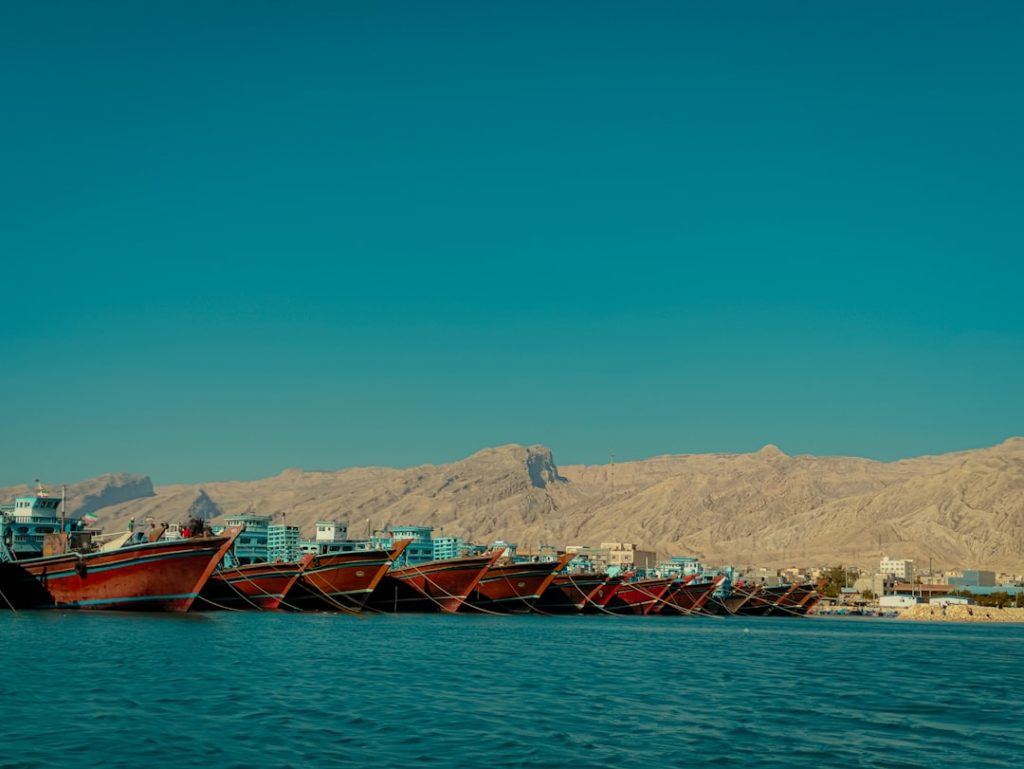
The Strait of Hormuz has become a flashpoint for global energy security, where oil tankers face unprecedented challenges navigating through one of the world’s most critical shipping lanes. This narrow waterway, which handles roughly 20% of global oil transit, has transformed into a high-stakes corridor where commercial vessels must balance economic imperatives against escalating geopolitical tensions.
What strikes me most about this situation is how it perfectly encapsulates the vulnerability of our interconnected global economy. The maritime oil transport industry, which has operated relatively smoothly for decades, now finds itself at the mercy of regional conflicts that can disrupt energy supplies worldwide. This isn’t just about shipping companies anymore – it’s about the fundamental fragility of energy infrastructure that powers modern civilization.
For oil traders and energy companies, this crisis presents both enormous risks and potential opportunities. Those with diversified supply chains and alternative routing capabilities will likely weather this storm better than companies heavily dependent on Persian Gulf oil. I believe smaller, more agile trading firms might actually benefit from the volatility, while larger corporations with rigid supply contracts could face significant losses.

The Economics of Risk in Maritime Transport
Insurance premiums for vessels transiting these waters have skyrocketed, fundamentally altering the economics of oil transport. What concerns me is that these increased costs inevitably trickle down to consumers, creating inflationary pressures that policymakers seem reluctant to acknowledge directly.
The shipping industry’s response has been predictably cautious, with many operators choosing longer alternative routes despite the additional costs. This conservative approach makes sense from a risk management perspective, but I think it also reveals a deeper problem: the lack of viable alternatives to this critical chokepoint.
Winners and Losers in the New Reality
Energy importers in Europe and Asia are feeling the most immediate impact, as supply chain disruptions force them to seek alternative sources at premium prices. Countries with domestic energy production or those with established relationships with non-Gulf producers are clearly in a more advantageous position.

For maritime security firms and specialized insurance providers, this crisis represents a significant business opportunity. I expect we’ll see substantial investment in protective services and risk assessment technologies specifically designed for high-threat maritime environments.
Long-term Implications for Global Energy Security
This situation reinforces my belief that energy diversification isn’t just an environmental imperative – it’s a national security necessity. Countries that have invested heavily in renewable energy infrastructure and alternative supply routes are proving more resilient to these disruptions.
The crisis also highlights the need for international cooperation in maintaining freedom of navigation. While military escorts and naval patrols provide short-term solutions, the underlying tensions require diplomatic resolution that seems increasingly elusive.
What worries me most is that this could become the new normal rather than a temporary crisis. If tensions persist, we might see a permanent restructuring of global oil trade routes, with profound implications for pricing, supply security, and geopolitical influence.
For investors and policymakers, this situation serves as a stark reminder that geopolitical risk isn’t just an abstract concept – it’s a tangible threat to economic stability that demands serious attention and strategic planning.
Photo by Fatemeh Rezvani on Unsplash
Photo by Ali Hedayat on Unsplash