Middle Eastern Conflicts Drive East Asia Toward Energy Independence Revolution
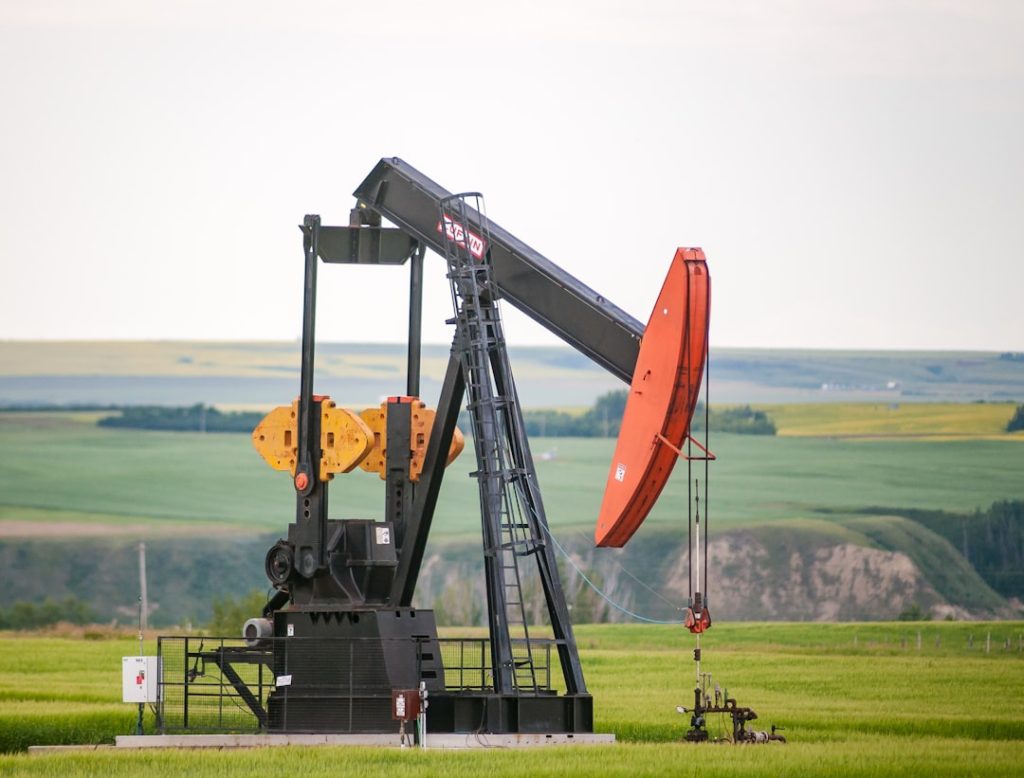
The ongoing military tensions in the Middle East are fundamentally altering how East Asian nations approach their energy security, and frankly, it’s about time. While commodity price spikes typically grab headlines for their immediate economic disruption, what’s happening now represents something far more significant – a potential permanent shift in global energy dynamics.
I believe this crisis is particularly revealing the vulnerabilities of East Asian economies, which have long relied heavily on Middle Eastern oil and gas imports. The region’s dependence on energy flowing through critical chokepoints like the Strait of Hormuz has always been a strategic weakness, and current events are exposing just how precarious this arrangement really is.
Who Benefits From This Energy Disruption
This situation creates clear winners and losers, and the outcomes aren’t always obvious. Renewable energy companies and nuclear power advocates should be celebrating – nothing accelerates energy transition quite like supply chain disruptions and price volatility in traditional fuels. Countries like Japan and South Korea, which have been somewhat hesitant about aggressive renewable transitions, now face compelling economic arguments for diversification.

Energy-producing nations outside the Middle East also stand to gain significantly. Norway, Canada, and even emerging producers in Africa could see increased demand for their resources as East Asian buyers seek to reduce their exposure to Middle Eastern instability.
The Losers in This Energy Reshuffling
On the flip side, this crisis hits hardest where you’d expect – energy-intensive industries and consumers in import-dependent economies. Manufacturing sectors in China, Japan, and South Korea face squeezed margins, and these costs inevitably filter down to everyday consumers through higher prices for everything from transportation to electricity.
What concerns me most is the impact on developing economies in Southeast Asia. Countries like Thailand and Vietnam, which lack the financial resources of their wealthier neighbors, may find themselves priced out of energy markets or forced to accept lower-quality alternatives.

Long-Term Strategic Implications
The real question isn’t whether current supply disruptions will resolve – they likely will. What matters is how this experience shapes long-term energy policy across East Asia. I suspect we’re witnessing the beginning of a more aggressive push toward energy independence, which could accelerate investment in everything from solar and wind projects to liquefied natural gas terminals and strategic petroleum reserves.
This shift makes sense for anyone paying attention to geopolitical trends. Relying heavily on a single region for critical energy supplies was always risky, and recent events simply underscore that reality. Smart policymakers should view this crisis as an opportunity to build more resilient energy systems, even if the transition costs are substantial in the short term.
The energy landscape emerging from this crisis will likely be more diverse, more resilient, and ultimately more sustainable – though the path to get there won’t be comfortable for everyone involved.
Photo by David Thielen on Unsplash
Photo by Michael Myers on Unsplash