Federal Authorities Issue Security Warning About International Mobile Applications
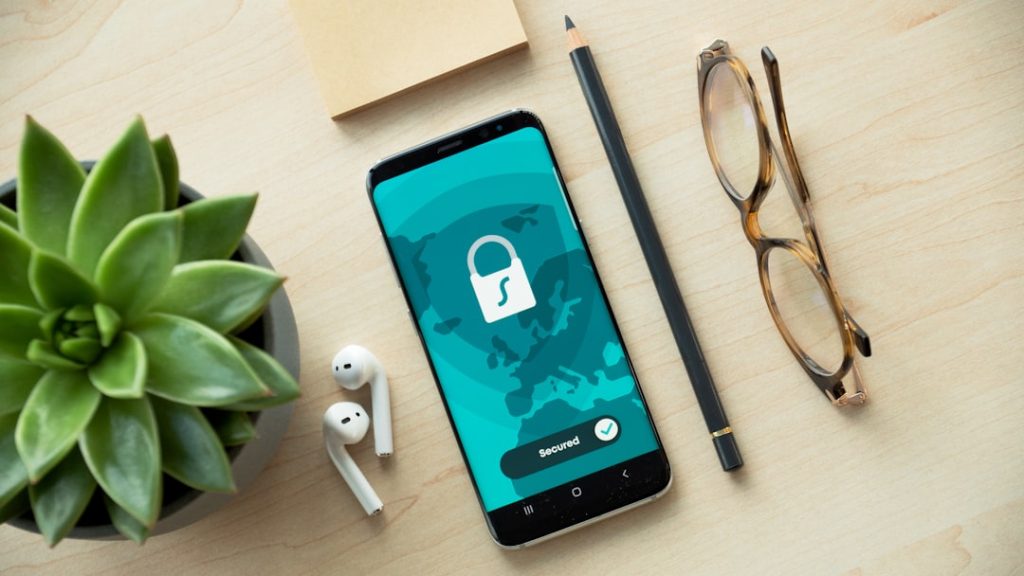
Growing Concerns Over Cross-Border Data Security
Federal law enforcement agencies have issued a public advisory regarding mobile applications developed by international companies, urging users to exercise greater caution when downloading and using such software. The warning emphasizes the importance of understanding who creates the apps on your device and where your personal information might be stored.
The advisory highlights a significant reality of today’s app marketplace: many of the most widely-used applications in the United States originate from overseas developers. While this global development landscape has created innovative solutions for consumers, it has also raised questions about data security and privacy protection across international boundaries.
The primary concern centers on varying cybersecurity regulations between countries. Some nations have legal frameworks that could potentially grant their governments access to user data stored by companies operating within their jurisdiction. This regulatory disparity creates potential vulnerabilities for American users whose information may be subject to foreign oversight.
How Personal Data Gets Collected and Shared
The security warning details several ways international applications can gather extensive personal information. Many apps encourage users to invite friends and contacts to join their platforms, creating opportunities to collect comprehensive contact databases. This information often includes names, email addresses, phone numbers, user identifications, and physical addresses.

Even individuals who choose not to use certain applications may find their personal information collected when friends or family members share their contact lists with these platforms. This indirect data collection creates privacy vulnerabilities for people who never consented to share their information with these services.
Privacy policies of some international applications acknowledge that user data may be stored on foreign servers for indefinite periods, determined solely at the discretion of the developing company. This practice raises concerns about long-term data security and the potential for information to be accessed by unauthorized parties.
Additionally, some applications may contain malicious software designed to exploit security weaknesses in mobile operating systems. This malware can operate invisibly in the background, potentially stealing sensitive information without user knowledge or consent.
Recommended Security Practices
Federal authorities have outlined several protective measures users can implement to safeguard their personal information:

- Disable data sharing features whenever possible within application settings
- Download applications exclusively from official app stores rather than unregulated online marketplaces
- Regularly update and strengthen account passwords
- Install software updates promptly when they become available
- Carefully review terms of service and licensing agreements before installing new applications
Users who suspect their personal data has been compromised are encouraged to report incidents to federal cybersecurity authorities for investigation and potential remediation.
Beyond Geographic Origins: Universal App Security
While the federal advisory focuses specifically on international developers, cybersecurity experts suggest that users should apply scrutiny to all applications regardless of their country of origin. The fundamental issue isn’t necessarily where an app was created, but rather what data it requests and how that information is handled.
Domestic companies also collect vast amounts of user data, often for commercial purposes. The key distinction in the federal warning appears to be concerns about foreign government access rather than corporate data collection practices in general.
For individual users, the most practical approach involves evaluating each application’s data requirements on its own merits. A messaging app requesting contact access for synchronization purposes serves a clear functional need, while a meditation app seeking the same information raises legitimate privacy questions.
Malware represents perhaps the most immediate threat to mobile device security, particularly as cybercriminals exploit newly discovered vulnerabilities in popular operating systems. Recent security breaches have demonstrated how malicious applications can compromise entire devices and access sensitive information.
The most effective protection strategy involves conducting basic research before installing any new application, regardless of its geographic origin. Checking developer credentials, reading user reviews, and understanding data collection practices can prevent significant security incidents and protect personal information from unauthorized access.
Photo by Dan Nelson on Unsplash
Photo by Tech Daily on Unsplash