Seeking Healing in Bali: When Wellness Retreats Feel Like Cult Experiences
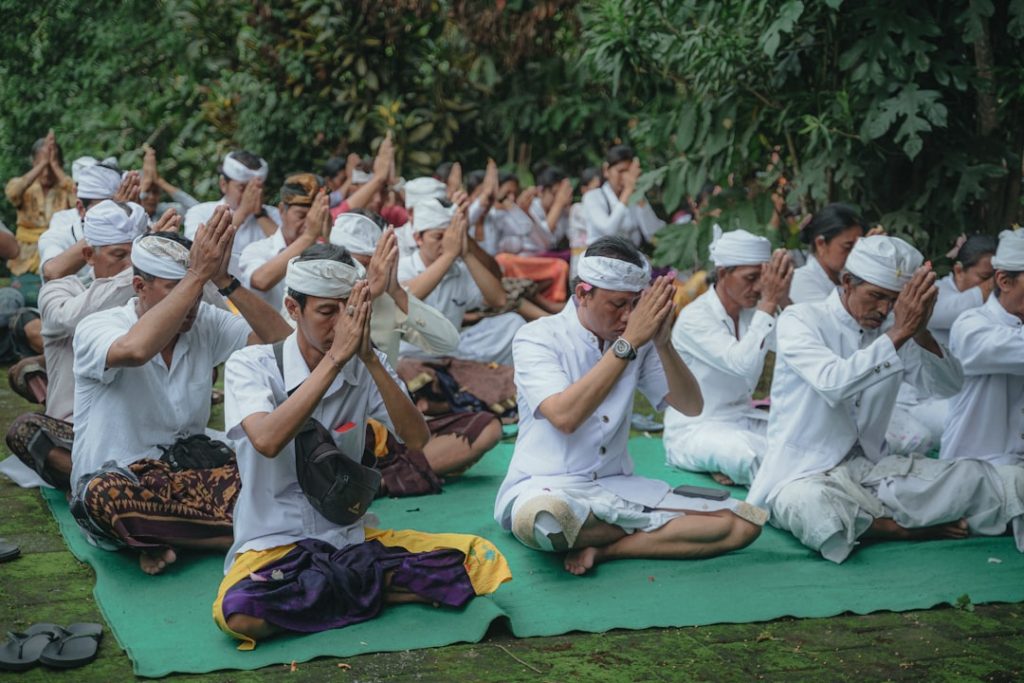
A journey to Indonesia’s spiritual heartland in search of emotional healing led one traveler into an unexpected encounter with New Age practices that blurred the line between authentic transformation and manufactured spirituality.
The humid Balinese air pressed against my skin as I found myself forehead-to-forehead with a complete stranger. Around us, thirty individuals clad entirely in white had gathered in a circle, forming what our instructor called a flower mandala. Tears flowed freely from several participants who claimed to have experienced profound soul connections with people they had just met.
This surreal scene unfolded during my first day at a three-week yoga teacher training program in Bali. I had arrived seeking clarity and emotional release following a difficult reunion with my estranged father in Jakarta—our first meeting since he abandoned our family when I was fourteen.
The encounter with my father had been surprisingly mundane. He introduced me to his young wife, barely older than myself, while remaining largely absorbed in his electronic devices throughout our brief visit. The lack of dramatic confrontation or emotional resolution left me feeling strangely hollow, as if I had prepared for an impact that never materialized.
The Search for Transformation
With my New York apartment sublet and my job recently lost, I had planned two months in Bali for decompression and self-discovery. The yoga certification program, costing $2,000 for three weeks including accommodation and meals, seemed like an economical path to potential enlightenment.

The program began with elaborate rituals that felt increasingly theatrical. We were instructed to gaze into candle flames until our eyes watered, supposedly to feel cosmic energy. During guided meditation sessions called yoga nidra, while other participants reported swimming with dolphins through rainbow-filled skies, I simply fell asleep on my mat.
Active meditation sessions involved fifteen minutes of intense jumping, shaking, and emotional release. The wooden floor vibrated under thirty pairs of bare feet as participants unleashed primal screams and tears. Despite my earnest participation, the promised catharsis never arrived.
The Performance of Vulnerability
Group sharing sessions became exercises in competitive vulnerability, with participants volunteering their deepest traumas to virtual strangers. The immediate intimacy felt forced and performative, making me question whether genuine healing could be scheduled and commodified.
This wasn’t my first attempt at transformation tourism. Prior to the yoga training, I had invested in a luxury healing retreat featuring cacao ceremonies and expensive wellness treatments. Despite participating in traditional Balinese water purification rituals and ocean ceremonies, I felt more soggy than spiritually cleansed.
My inability to access the transcendent experiences others claimed frustrated me. Years of therapy, alternative healing modalities, and mindfulness practices hadn’t prepared me for this particular brand of instant enlightenment.

The Reality Behind the Ritual
The facade of instant soul connections quickly crumbled when two women who had proclaimed a deep spiritual bond on day one engaged in a screaming argument by day four, subsequently refusing to speak to each other.
Despite my skepticism toward the program’s more esoteric elements, genuine friendships did emerge. Fellow participants from around the globe shared their diverse stories and motivations for seeking transformation in this Balinese setting. When they surprised me with a birthday celebration, complete with a secret cake and multilingual renditions of ‘Happy Birthday,’ I experienced authentic connection that no ritual had manufactured.
The Science of Collective Experience
Research in psychology suggests that group rituals can indeed create real emotional states through what scientists term ‘perceived emotional synchrony.’ The combination of shared attention, synchronized movement, and collective focus can trigger genuine feelings of connection and transcendence in some individuals.
Perhaps some participants genuinely experienced the profound transformations they described, while others were caught in the psychological momentum of group expectation. The line between authentic spiritual experience and socially influenced emotional response remains blurry.
Finding Balance in Contradiction
Yoga philosophy embraces contradictory forces—strength paired with flexibility, effort balanced with surrender. My Balinese experience embodied this duality perfectly. I simultaneously craved and rejected the cult-like atmosphere, envied others’ apparent breakthroughs while maintaining critical distance, and failed to manufacture enlightenment while discovering genuine human connection.
The irony wasn’t lost on me: I had desperately wanted to join what felt like a cult but lacked the psychological makeup to surrender my skepticism. Yet this very failure led to meaningful relationships and a clearer understanding of my own emotional boundaries.
Ultimately, my journey to Bali taught me that authentic transformation cannot be purchased or scheduled. While the wellness industry promises quick fixes and instant insights, real healing often occurs in quieter moments of genuine human connection—like sharing cake with new friends thousands of miles from home.
Photo by Krisna Yuda on Unsplash
Photo by Tienko Dima on Unsplash
Photo by Aditya Nara on Unsplash