Longtime Medicare Contributor Faces Coverage Loss Under New Immigration Rules
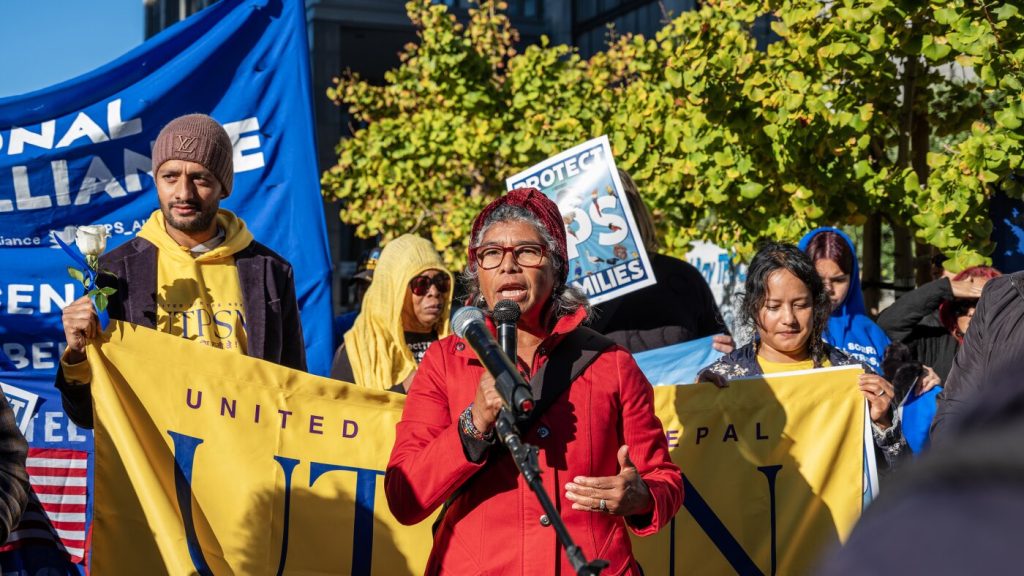
In the wooded hills of Oakland, California, Rosa María Carranza guides young children through outdoor learning activities at the Spanish immersion preschool she helped establish. At 67, the child development educator has dedicated over three decades to working with children and teenagers, building a career that she hoped would lead to a secure retirement with Medicare and Social Security benefits.
However, Carranza now faces an uncertain future as new federal legislation strips Medicare coverage from certain categories of legally present immigrants. Despite contributing tens of thousands of dollars to Medicare and Social Security over 24 years of employment, she will lose her health insurance coverage by January 4th under the GOP’s One Big Beautiful Bill Act, signed by President Trump last July.
Legal Immigrants Lose Healthcare Access
The new law affects approximately 100,000 lawfully present immigrants, including those with temporary protected status, refugees, asylum seekers, domestic violence survivors, trafficking victims, and work visa holders. These individuals, who previously qualified for Medicare if they met work history and age requirements, will be removed from the program as part of Republican efforts to reduce Medicare spending.
President Trump defended the policy on social media, claiming that taxpayer funds should not support healthcare for unauthorized immigrants. However, the affected individuals do have legal status in the United States. Neither the White House nor the Department of Health and Human Services responded to questions about the fairness of removing legal residents from Medicare.
A Life Built Through Adversity
Carranza’s journey to the United States began in 1991 when she fled El Salvador during a devastating civil war, leaving behind three young children to seek economic opportunities. She initially overstayed her visa but gained temporary protected status in 2001 following earthquakes that killed over 1,100 people and displaced 1.3 million in her homeland.
The temporary protected status program, established by Congress and signed by Republican President George H.W. Bush in 1990, allows individuals from countries experiencing armed conflict, civil war, or climate disasters to live and work legally in the United States when returning home would pose significant risks.
During her years in California, Carranza worked overnight shifts caring for newborns and later substitute teaching in Bay Area public schools. She used her earnings to fund her children’s education in El Salvador while pursuing her own degree in child development at City College of San Francisco.
Healthcare Concerns Mount
Medical professionals warn that removing Medicare coverage from older immigrants will lead to delayed care and increased emergency room visits. Dr. Theresa Cheng, an emergency physician at Zuckerberg San Francisco General Hospital, explains that seniors can deteriorate rapidly when they postpone routine medical care, particularly regarding cardiovascular conditions.
Carranza recently experienced health scares that underscore these concerns. She was diagnosed with high blood pressure and required urgent care when it reached dangerous levels. A fall resulted in a swollen foot and arthritis diagnosis. While she currently pays minimal copays for these services, she will face full medical costs once her Medicare coverage ends.
The stress of impending coverage loss, combined with potential deportation fears, has affected her mental health. She reports experiencing insomnia and anxiety while searching for affordable therapy and acupuncture services.
Limited State Alternatives
California, home to the largest population of immigrant seniors, has frozen enrollment in state-sponsored insurance programs for adults over 19 who hold temporary protected status or are asylum seekers. Other Democratic-led states like Illinois and Minnesota have similarly scaled back immigrant health programs due to budget constraints.
California Governor Gavin Newsom’s proposed budget does not include provisions to replace federal healthcare funding for approximately 200,000 lawfully present immigrants, citing the $1.1 billion annual cost and state budget shortfalls.
However, some Democratic legislators are working on solutions. State Assembly member Mia Bonta, who chairs the health committee, is developing legislation to bring affected immigrants into Medi-Cal, California’s Medicaid program.
An Uncertain Future
Carranza’s situation became more precarious last April when she received an erroneous letter from the Social Security Administration claiming she was not lawfully present in the United States. This mistake temporarily cut off her retirement benefits and Medicare coverage, forcing her to work off her rent by babysitting her landlords’ children until the error was corrected months later.
The experience highlighted the vulnerability of her position. She now contemplates difficult choices: remaining in the United States without health insurance and possibly losing Social Security benefits, or returning to El Salvador where two of her three children still live. Her daughter, a green card holder in Texas, hopes to become a citizen and petition for Carranza’s permanent residency, but the process could take years.
In her Oakland basement studio, Carranza keeps a box containing decades of identification cards, work permits, and government-issued documents. These items represent her life’s work and legal presence in the country she has called home for over three decades.
The policy changes represent an unprecedented move by Congress to remove Medicare benefits from any group, according to health policy experts. As implementation approaches, approximately 100,000 legal immigrants face the prospect of losing healthcare coverage they helped fund through years of employment and tax contributions.