The Battle for Smart Glasses: Open vs. Closed Platform Strategies
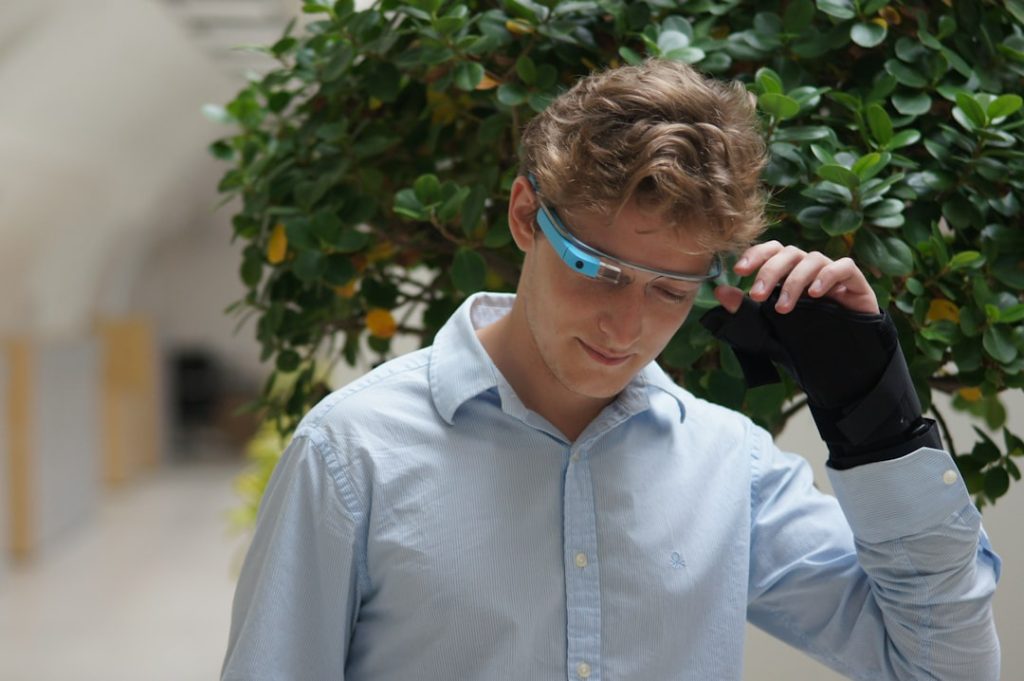
The smart glasses industry is witnessing a significant development as Even Realities introduces its new open developer platform and application marketplace for its G2 display-enabled eyewear. This launch represents a fundamental shift in how companies approach smart glasses software distribution and could reshape the entire market landscape.
The emerging competition pits two vastly different philosophies against each other. Meta, the dominant force in smart glasses with its Ray-Ban collaboration, has maintained strict control over its ecosystem. Users receive a carefully curated experience where Meta determines available features and applications. In contrast, Even Realities has opened its platform to third-party developers, offering users more than 50 applications to choose from independently.
This philosophical divide extends beyond simple preference to potentially determining how much autonomy consumers will have in shaping their augmented reality experiences as the technology becomes mainstream.

Market Dynamics and Company Positioning
While Meta commands approximately 82% of the smart glasses market with a trillion-dollar valuation, Even Realities operates as a boutique company valued at roughly $10 million. However, within the specific niche of display-integrated smart glasses, these companies compete more directly. Industry estimates suggest Meta has sold around 20,000 units of its premium Ray-Ban Display glasses, while Even Realities has moved between 10,000 and 25,000 pairs of its G2 model.
The hardware approaches differ significantly as well. Meta’s $799 Display glasses offer full-color video capabilities, integrated cameras, audio features, and the distinctive Ray-Ban aesthetic. Even Realities’ $599 G2 glasses focus on subtlety and everyday wearability, featuring a monochrome display in discreet frames without cameras or audio components.
Software Philosophy Differences
The most crucial distinction lies in software strategy. Meta’s approach heavily restricts user customization. Users cannot modify core features, install unauthorized applications, or even change basic settings like voice activation commands. The experience centers around toggling pre-approved features rather than installing independent applications.

Even Realities adopts a semi-open approach similar to traditional app stores. Users can browse approved applications, from e-book readers to games, and customize their experience by removing unwanted features. This model provides significantly more user control while maintaining quality standards through approval processes.
Future Implications and Industry Precedents
Meta’s current restrictive approach may be temporary, as the company operates successful open platforms for its VR headsets through the Meta Horizon Store. The company has even reduced first-party VR development while supporting independent creators, suggesting potential future changes to its glasses platform strategy.
However, technology history demonstrates that open systems don’t automatically triumph over closed ones. Nintendo’s strict quality control helped it dominate gaming in the 1980s against more open competitors. Apple’s closed iOS ecosystem maintains 63% of the American smartphone market despite Android’s more open architecture. Adobe Flash’s proprietary system dominated web content until Apple’s iPhone refused to support it.
The ultimate success of either approach will depend on consumer preferences, market maturation, and whether display-enabled smart glasses achieve widespread adoption. As this technology evolves from early adopter novelty to mainstream utility, the winning platform strategy could establish lasting precedents for user control in augmented reality experiences.
Photo by Oleg Illarionov on Unsplash
Photo by Quang Tri NGUYEN on Unsplash
Photo by Bereczki Domokos on Unsplash