Cultural Leaders Condemn Plans to Export Frida Kahlo Artworks to Spain
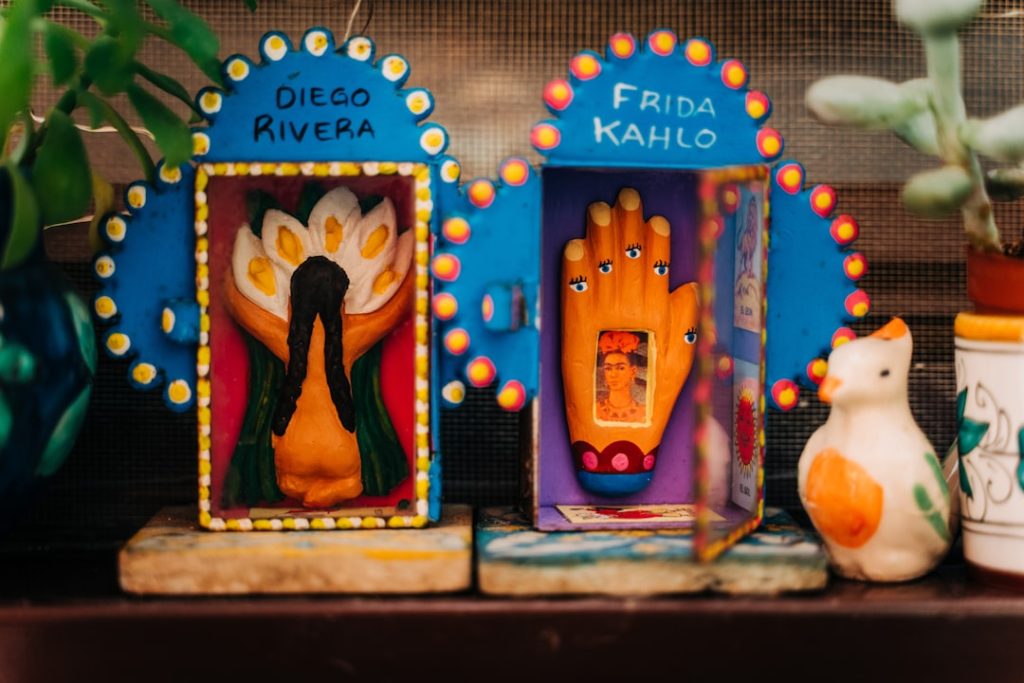
A significant controversy has erupted in Mexico’s cultural sector over plans to transport a prestigious collection of 20th-century Mexican artwork, featuring pieces by Frida Kahlo and Diego Rivera, to Spain through a partnership with Banco Santander.
Close to 400 arts professionals have endorsed a public petition demanding the Mexican administration provide clearer details about the arrangement, especially regarding Kahlo’s paintings that carry official designation as national artistic heritage.
Francisco Berzunza, a historian who helped initiate the petition, emphasized the gravity of the situation, stating that Kahlo represents Mexico’s most significant artistic figure, yet her works are more accessible abroad than within her homeland.
The controversy surrounds 160 pieces from what was formerly the Jacques and Natasha Gelman collection, now called the Gelman Santander collection after being acquired by Mexico’s Zambrano family in 2023.
The assemblage encompasses creations by notable Mexican artists including Rufino Tamayo, José Clemente Orozco, María Izquierdo, and David Alfaro Siqueiros, alongside Mexican photographic works.
According to the Santander arrangement, this collection, currently displayed publicly in Mexico for the first time in nearly two decades, will relocate to Spain this summer to anchor the bank’s new cultural facility, Faro Santander.

When Santander announced the agreement in January, the institution stated it would handle the collection’s preservation, study, and exhibition. However, the vague nature of the announcement, which omitted details about the duration of the Spanish residency, generated anxiety among cultural advocates.
Concerns escalated when Faro Santander’s director, Daniel Vega Pérez de Arlucea, suggested to Spanish media that governing regulations were adaptable and that the collection would maintain a lasting presence at the cultural center.
Mexico’s cultural community worries the agreement could result in permanent loss of these national treasures, arguing that existing laws clearly protect such works.
Curator Gabriela Mosqueda, another petition signatory, explained that current legislation strongly safeguards these pieces, particularly those designated as national artistic monuments, recognizing their crucial importance to Mexican cultural identity and artistic heritage.
The controversy particularly affects Kahlo’s works, which received artistic monument status in 1984. The presidential declaration explicitly states that her creations may only leave Mexico temporarily, with the National Institute of Fine Arts and Literature responsible for recovering any privately held pieces abroad.
Cultural figures argue that through the Santander deal, the institute, which possesses only four of Kahlo’s approximately 150 works, has acted contrary to this mandate.

Berzunza noted that the 1984 decree specifically aimed to prevent private collections from leaving the country or being scattered, explaining the vigorous defense of these protections.
Responding to the outcry, President Claudia Sheinbaum expressed the nation’s preference for keeping the collection within Mexico.
Culture Minister Claudia Curiel de Icaza clarified that the collection remains Mexican property and was not sold, emphasizing its temporary departure with a planned return in 2028.
Santander released a statement confirming the deal does not involve purchasing the collection or permanently removing it from Mexico, with works scheduled to return after the temporary export period concludes.
Despite these assurances, Mexican cultural figures remain dissatisfied, criticizing the agreement between the institute and Santander as ambiguous and excessively favorable to the Spanish bank.
The contract specifies that while the export is temporary, Faro Santander will oversee the collection from June 2026 through September 2030, with possible extensions through mutual agreement.
Berzunza warned that permanent loss of these works would eliminate a fundamental portion of Kahlo’s artistic legacy and history, emphasizing her status as Mexico’s most important female artist and the pieces’ essential role in understanding Mexican identity.
Photo by Gabriella Clare Marino on Unsplash
Photo by Tim Mossholder on Unsplash