Thai Prime Minister Urges Citizens to Reduce Energy Consumption Amid Regional Crisis
Prime Minister Anutin Charnvirakul has appealed to Thai citizens and businesses to implement energy conservation measures as escalating tensions in the Middle East continue to drive up fuel costs across the region.
Speaking through social media channels, the prime minister emphasized Thailand’s vulnerability due to its heavy dependence on imported petroleum and natural gas. He stressed that the nation cannot afford to maintain its current energy consumption patterns given the deteriorating international situation.
The government leader specifically requested public cooperation in adopting remote work arrangements, including work-from-home and work-from-anywhere policies. He also encouraged citizens to reduce private vehicle usage by utilizing public transportation systems and participating in carpooling initiatives, while calling for responsible electricity consumption across all sectors.
Charnvirakul acknowledged that while Thailand maintains substantial oil reserves relative to neighboring countries, the kingdom remains highly exposed to international market volatility as a major petroleum importer. He warned against maintaining previous energy management approaches under current circumstances.

The prime minister indicated that additional conservation measures may be forthcoming and pledged that his administration would exhaust all available options to protect citizens from the economic impact of the crisis.
Thailand’s response reflects a broader regional trend, with multiple Asian governments implementing energy-saving initiatives. Sri Lanka and the Philippines have introduced shortened four-day work weeks for numerous government employees, while Vietnam has encouraged widespread adoption of remote work policies.
The Thai government has already implemented several preliminary measures, including the suspension of most international travel for civil servants and a dress code relaxation allowing officials to wear short-sleeved shirts without neckties outside of formal ceremonies to reduce air conditioning demands.
Economic pressures have intensified as the commerce ministry announced new restrictions on crude palm oil exports and price controls for bottled palm oil beginning this week. These measures aim to secure domestic supplies as biodiesel demand increases amid the energy crisis.

Fuel costs have surged dramatically, with diesel prices climbing above 50 baht per liter over the weekend, representing a significant increase from approximately 30 baht per liter in late February. This price escalation has created substantial hardships for agricultural workers and transportation companies.
The timing proves particularly challenging as the country prepares for Songkran, Thailand’s traditional New Year celebration. This major holiday typically sees extensive domestic travel as people return to their ancestral provinces, while also attracting international tourists for the famous water festival celebrations.
Tourism industry representatives express concern that this year’s festivities may see reduced participation due to rising flight costs and aviation sector disruptions caused by the energy crisis.
The regional impact extends beyond Thailand, with Indonesia announcing a substantial 28 percentage point increase in jet fuel surcharges on Monday, while simultaneously permitting airlines to raise domestic ticket prices by up to 13 percent.
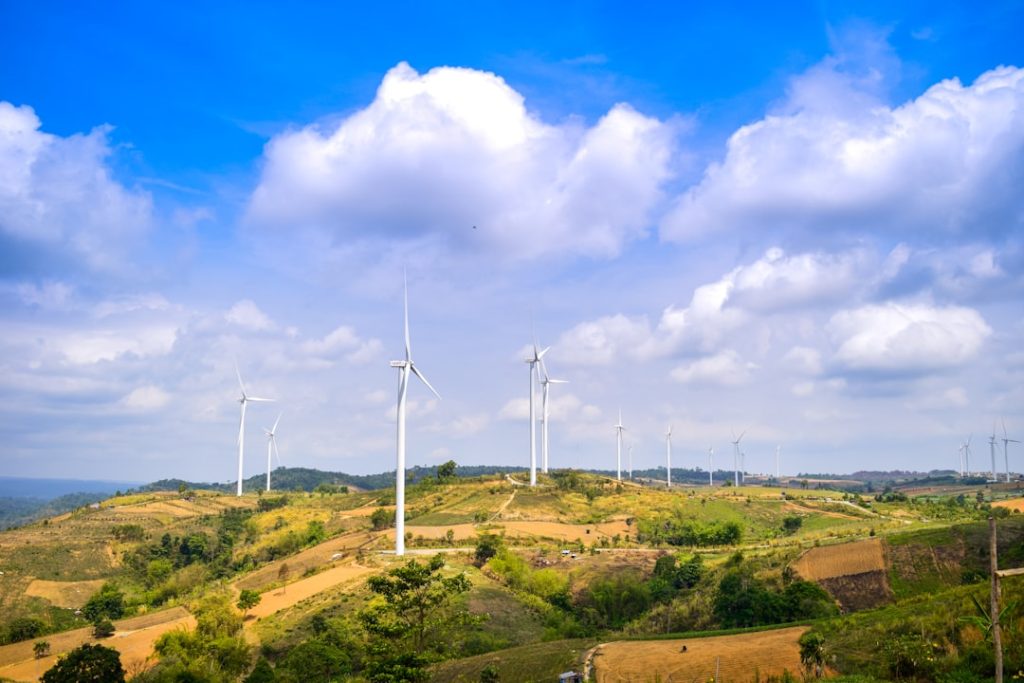
Photo by Nopparuj Lamaikul on Unsplash