Spanish Pork Sector Battles Economic Crisis Amid African Swine Fever Outbreak
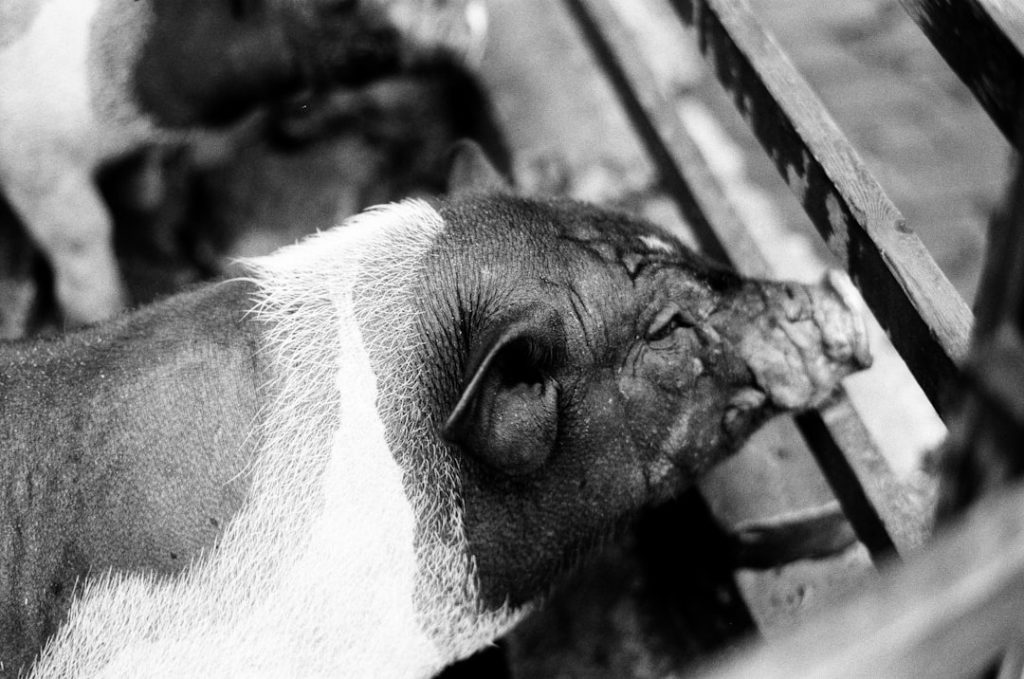
The discovery of African Swine Fever in northeastern Spain has triggered a crisis that threatens the country’s massive pork industry, valued at €25 billion and representing Europe’s largest sector of its kind. Farmers across the nation are experiencing substantial financial losses as international markets impose trade restrictions following the disease’s detection.
The outbreak originated in Collserola Park near Barcelona, where authorities found an infected wild boar carcass in November. This discovery marked Spain’s first encounter with the virus in three decades, immediately prompting several countries to halt pork imports from the affected region.
Financial Impact on Producers
Pork producers are witnessing dramatic price drops, with each animal losing between €30 and €40 in market value compared to pre-outbreak levels. The economic consequences extend beyond individual farms, as Catalonia’s pork exports declined by 17% in January alone. Industry estimates suggest total losses have already exceeded €600 million since the crisis began.

Major importing nations including Brazil, Japan, Mexico, South Africa, and the United States have completely suspended Spanish pork purchases. Other markets, such as European Union members, China, and the United Kingdom, have adopted more targeted restrictions, banning only products from the affected northeastern regions.
Containment Efforts and Wildlife Management
Regional authorities have implemented comprehensive control measures, establishing high-risk zones within a 6-kilometer radius of initial cases and broader surveillance areas extending 20 kilometers. The wild boar population, estimated between 120,000 and 180,000 animals across Catalonia, has been identified as a primary transmission vector.
Culling operations have eliminated 24,000 wild boars this year using various methods including net traps, metal enclosures, and silenced firearms. Surveillance technology such as cameras and drones monitor animal movements, while all carcasses undergo testing. By March’s end, 232 boars had tested positive for the virus.

Officials attribute the outbreak partly to wildlife overpopulation, which has increased disease transmission risks and traffic accidents. The regional government aims to reduce the boar population by half through systematic culling programs.
Biosecurity Measures
Spain has maintained strict biosecurity protocols for decades, and authorities emphasize their commitment to containing the current outbreak. Personnel involved in control operations follow rigorous disinfection procedures for vehicles and equipment after working in high-risk areas. Fencing restricts animal movement to prevent further spread.
Industry Recovery Prospects
International regulations require a 12-month disease-free period before countries can regain full export status. Spain’s officials look to Belgium as a successful model, having eliminated African Swine Fever within 14 months of detection. This contrasts with Germany’s ongoing struggles, where the disease has contributed to a 25% production decline and thousands of farm closures.
Despite export challenges, domestic consumption remains stable. Local markets in Barcelona continue normal operations, with consumers expressing confidence in safety measures. Retail prices have maintained consistency, and traditional Spanish appreciation for pork products appears unaffected by the crisis.
The Spanish pork industry’s recovery depends on successfully eliminating the virus and demonstrating effective long-term control measures to restore international confidence in its products.
Photo by Yishen Ji on Unsplash
Photo by Kameron Kincade on Unsplash