Artemis Astronauts Face 40-Minute Communication Blackout During Lunar Flyby
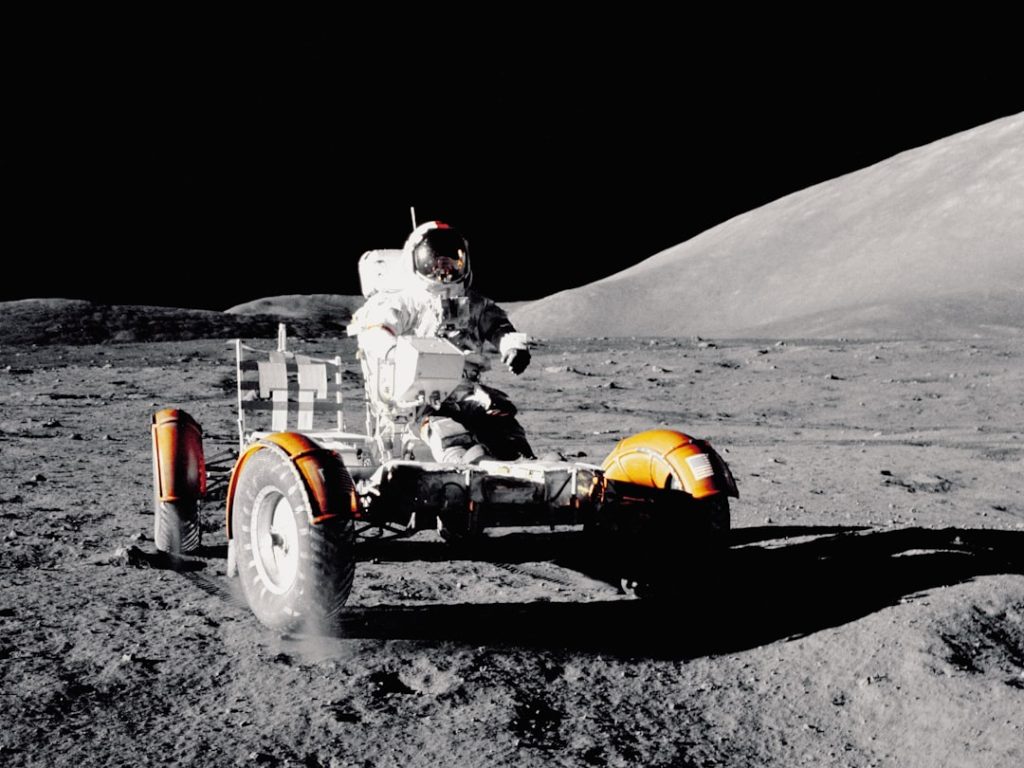
Four astronauts aboard NASA’s Artemis mission will experience complete isolation from Earth as their spacecraft travels behind the Moon, cutting off all communication for approximately 40 minutes.
The communication blackout is scheduled to occur around 23:47 BST on Monday as the Orion capsule passes behind the lunar surface. During this period, both radio and laser communication systems will be blocked by the Moon’s mass, leaving the crew temporarily disconnected from mission control in Houston.
Mission pilot Victor Glover has encouraged people worldwide to use this moment of silence as an opportunity for unity and reflection. Speaking to media before launch, Glover suggested that while the crew is out of contact, people should offer prayers and positive thoughts for their safe return to communication range.

Historical Precedent from Apollo Era
This experience mirrors what Apollo astronauts encountered over five decades ago during their lunar missions. Apollo 11’s Michael Collins faced a particularly profound isolation in 1969 when he orbited the Moon alone while Neil Armstrong and Buzz Aldrin explored the surface below.
Collins endured 48 minutes of complete radio silence as his command module passed behind the Moon’s far side, losing contact with both his crewmates and Earth-based mission control. In his 1974 autobiography, Collins described feeling completely isolated from all known life, though he noted the absence of fear or loneliness during these moments.
The Apollo astronaut later reflected on the peaceful nature of the radio silence, describing it as a welcome respite from constant mission control communications.

Ground-Based Tracking Concerns
Earth-based tracking stations are preparing for the tense period when contact is lost. The Goonhilly Earth Station in Cornwall has been monitoring the Orion spacecraft throughout its journey, providing precise positioning data to NASA headquarters.
Matt Cosby, chief technology officer at Goonhilly, acknowledged the anxiety surrounding this first human spaceflight tracking mission. The team expects to feel nervous during the blackout period and relieved when communication resumes, confirming crew safety.
Future Communication Solutions
Space agencies are working to eliminate such communication gaps for future lunar missions. As plans develop for permanent Moon bases and expanded exploration, continuous communication becomes essential for mission success and safety.
The European Space Agency’s Moonlight program aims to deploy a satellite network around the Moon, ensuring uninterrupted communication coverage including the lunar far side. Such systems will be crucial for sustainable lunar presence and exploration activities.
During their communication blackout, the Artemis crew will focus entirely on lunar observation, capturing images and studying the Moon’s geological features. When they emerge from behind the Moon and reestablish contact, mission controllers and the global audience will experience collective relief as the historic mission continues.
Photo by NASA Hubble Space Telescope on Unsplash
Photo by Brian McGowan on Unsplash