Finding Hope: A Malawian Mother’s Journey from Despair to Love with Her Autistic Daughter
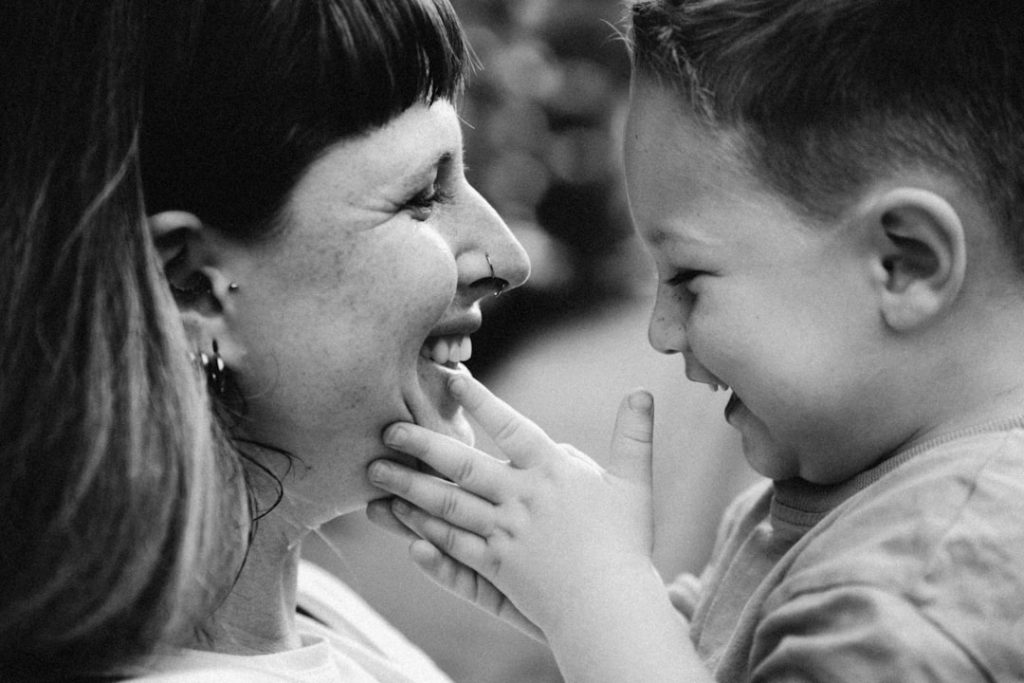
In a small home in northern Malawi, Martha Ongwane watches her energetic four-year-old daughter Rachael with deep affection. It’s a scene that would have been unimaginable just two years earlier, when Martha had reached such depths of desperation that she contemplated ending her child’s life.
Rachael’s autism diagnosis had left Martha feeling isolated and overwhelmed. The young girl’s inability to communicate verbally, combined with challenging behaviors including biting and restlessness, had pushed her mother to the breaking point. Community members in their east African nation offered no support, instead blaming Martha and suggesting she confine her daughter indoors.
The lack of understanding surrounding autism in Malawi created an environment where Martha felt completely alone. She recalls preparing poison in a cup, believing that her daughter’s death would end their suffering. However, maternal instinct prevented her from following through with this tragic plan, leaving her consumed with grief and guilt.
Today, the relationship between mother and daughter tells a dramatically different story. Rachael playfully climbs onto Martha’s lap as the 33-year-old prepares their traditional meal of nsima, a maize-based porridge. The child’s laughter fills their home in Mzuzu, demonstrating the remarkable transformation that expert intervention can achieve.
Access to Specialized Care Changes Everything
The turning point came when Rachael was referred to Saint John of God, a Catholic Church-funded organization dedicated to helping children with disabilities. This institution provides both community mental health services and specialized education for children with special needs, becoming a crucial lifeline for families like Martha’s.
The organization offered comprehensive support, including counseling for both parents and educational resources to help them understand and manage Rachael’s condition. What had once been an isolated struggle became a journey supported by knowledgeable professionals and a caring community.

The Broader Challenge of Autism in Malawi
Unfortunately, Martha’s family represents a fortunate minority. According to World Health Organization data, over 60 million individuals worldwide fall somewhere on the autism spectrum. This neurodevelopmental condition affects brain development and influences communication abilities, social interactions, and sensory processing.
While autism manifests differently across individuals, many people on the spectrum demonstrate remarkable strengths including exceptional focus, strong memory capabilities, and innovative thinking patterns. However, in nations where mental health resources are scarce, only the most challenging cases receive attention, often accompanied by stigma and discrimination.
Malawi’s healthcare infrastructure reflects these limitations starkly. The country’s population of over 22 million people is served by merely two developmental pediatricians and three consultant psychiatrists. The Chichewa language, spoken by most Malawians, lacks a proper term for autism, with translations often carrying negative connotations suggesting mental deficiency or troublesome behavior.
Confronting Misconceptions Through Education
Saint John of God actively works to change public perceptions through community education programs. At awareness sessions, religious leaders from both Christian and Muslim communities gather to discuss autism, often beginning with deeply rooted misconceptions about witchcraft being the underlying cause.
Christopher Mhone from the organization acknowledges these widespread misunderstandings while working to shift perspectives toward evidence-based approaches. He emphasizes that when a mother reaches the point of considering harming her child, society has fundamentally failed to provide adequate support systems.
The organization primarily fills gaps left by insufficient government services. While basic mental health assessments and referrals are available at local healthcare levels, the entire country has only one government psychiatric facility at Zomba Central Hospital.

Traditional Healing and False Hope
Many families, lacking access to proper medical care, turn to traditional healers as their first option. Natasha Lusinje sought such treatment for her five-year-old non-verbal son Shalom, driven by community beliefs attributing his condition to supernatural causes.
Nearly three-quarters of Malawians believe in witchcraft, providing both perceived explanations and supposed solutions for autism. Natasha paid a traditional healer who claimed to distinguish between divine and demonic forms of autism, promising to cure the latter through herbal treatments and rituals.
Despite weeks of expensive treatments involving herbal baths, drinks, and skin cutting procedures, Shalom showed no improvement. When confronted about her methods and claims, the healer eventually admitted failure, though Natasha continues seeking spiritual solutions.
Educational Success and Future Hope
Back in Mzuzu, Rachael now attends the Saint John of God school, wearing her blue and white uniform with pride. The facility serves over 600 children annually, providing specialized education for students with various conditions including autism, Down’s syndrome, and cerebral palsy.
Rachael has begun developing speech and actively participates in classroom activities, encouraging her classmates to join her in singing and other group activities. The school’s gardens provide vocational training opportunities for older students, demonstrating the potential for individuals with disabilities to contribute meaningfully to society.
Mhone advocates for reconceptualizing disability as a different form of ability, believing that societal understanding can reduce stigmatization while highlighting the positive contributions people with disabilities can make.
Martha now shares her story publicly, hoping to help other mothers facing similar challenges while expressing regret about not seeking help sooner. Looking at her daughter today, she feels overwhelming guilt about her past desperation but also profound love and admiration for the remarkable child Rachael has shown herself to be.
Photo by Hoi An and Da Nang Photographer on Unsplash
Photo by Bruno Nascimento on Unsplash
Photo by Ben McLeod on Unsplash