Complex Military Operation Recovers American Aviator from Iranian Territory
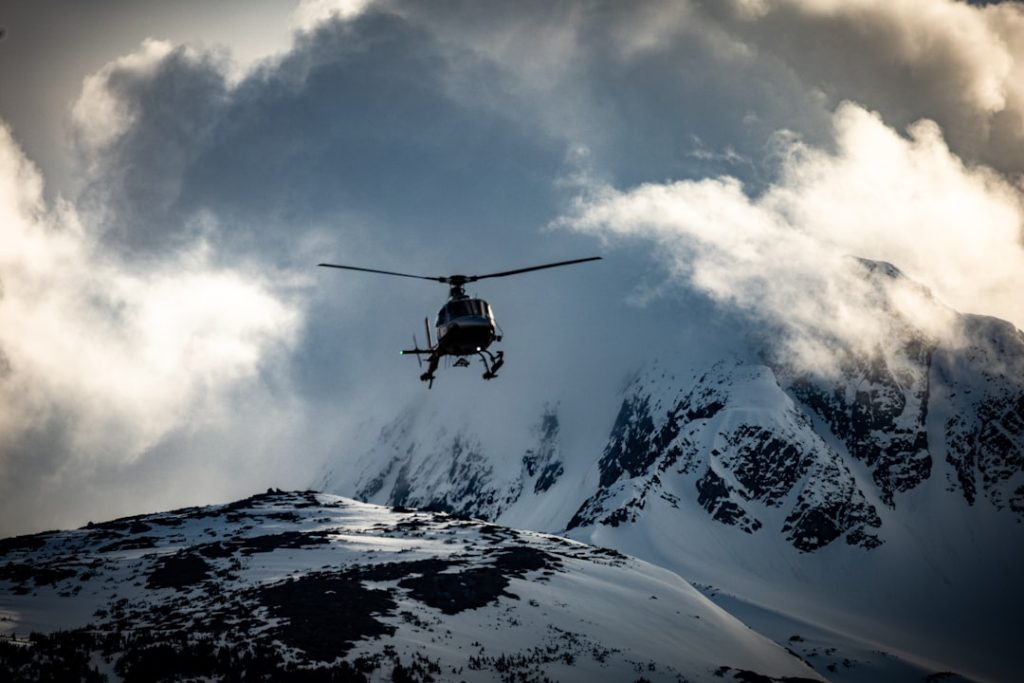
American military forces successfully extracted a downed aircrew member from Iranian soil following an intricate rescue mission that involved multiple agencies and aircraft. The operation concluded a tense multi-day search in mountainous terrain after the serviceman’s fighter aircraft was destroyed by hostile fire.
The incident began Friday when an F-15E Strike Eagle carrying two personnel was brought down over southern Iran, marking the first time in over two decades that enemy forces had successfully destroyed a US combat aircraft. While one crew member was recovered immediately after both aviators ejected from their aircraft, the second remained missing in the rugged landscape.
Survival and Evasion
The stranded airman found himself alone in hostile territory with only a sidearm for protection. Following established survival protocols, he sought elevated terrain and concealment while managing his emergency beacon carefully to avoid detection by Iranian forces. Reports indicate he took shelter in a rocky mountain crevice, limiting beacon transmissions to prevent enemy triangulation.
Iranian authorities actively pursued the missing American, posting a substantial reward of approximately $66,000 for his capture. Unverified social media footage showed armed civilians participating in the search effort across the mountainous region.

Intelligence and Planning
The Central Intelligence Agency proved instrumental in locating the aviator and coordinating his extraction. Intelligence operatives pinpointed his exact position and maintained continuous surveillance while Pentagon officials developed rescue plans. The agency also conducted psychological operations within Iran, spreading false information suggesting the airman had already been recovered.
President Trump later revealed that American officials monitored the situation around the clock, noting that hostile forces were closing in on the serviceman’s location with each passing hour.
The Rescue Mission
The extraction operation involved dozens of special operations personnel supported by various aircraft and weaponry. Combat aircraft provided protective fire to keep Iranian military units away from the rescue zone during the critical phases of the mission.
However, the operation encountered significant complications. Two transport aircraft designated for crew extraction were unable to depart from a remote Iranian airfield and were subsequently destroyed to prevent enemy capture. Additional aircraft were deployed to evacuate the affected personnel.

Iranian military sources claimed their forces destroyed multiple American aircraft during the operation, including C-130 transport planes and Black Hawk helicopters. They also reported shooting down a surveillance drone near Isfahan while it searched for the missing aviator. Independent verification of these claims remains unavailable.
Mission Completion
The rescue concluded successfully before midnight US time, with the wounded airman transported to Kuwait for medical care. While Trump described the serviceman as seriously injured, he indicated a full recovery was expected.
Military experts noted that nighttime operations typically favor American forces due to superior night-vision capabilities and extensive training in low-light conditions. The timing likely contributed to the mission’s ultimate success despite the challenging circumstances.
Aftermath and Analysis
Iranian officials characterized the operation as a failure, with military spokesman Ebrahim Zolfaghari claiming that American aircraft were forced into emergency landings and describing the mission as a “disgraceful defeat.” State media echoed these assertions following Trump’s announcement of the successful rescue.
Some defense analysts view the loss of advanced aircraft deep within Iranian territory as highlighting limitations in American air power projection. However, former Central Command leader General Frank McKenzie emphasized that equipment losses are acceptable when recovering personnel, noting that military tradition demands leaving no one behind.
The incident represents a significant escalation in regional tensions and demonstrates both the capabilities and challenges facing military operations in contested airspace. While the immediate mission succeeded in recovering the stranded aviator, the broader implications for ongoing regional conflicts remain under examination.
Photo by Timothy Nevius on Unsplash
Photo by Willian Justen de Vasconcellos on Unsplash