Middle East Conflict Disrupts Energy Markets Across Asian Nations
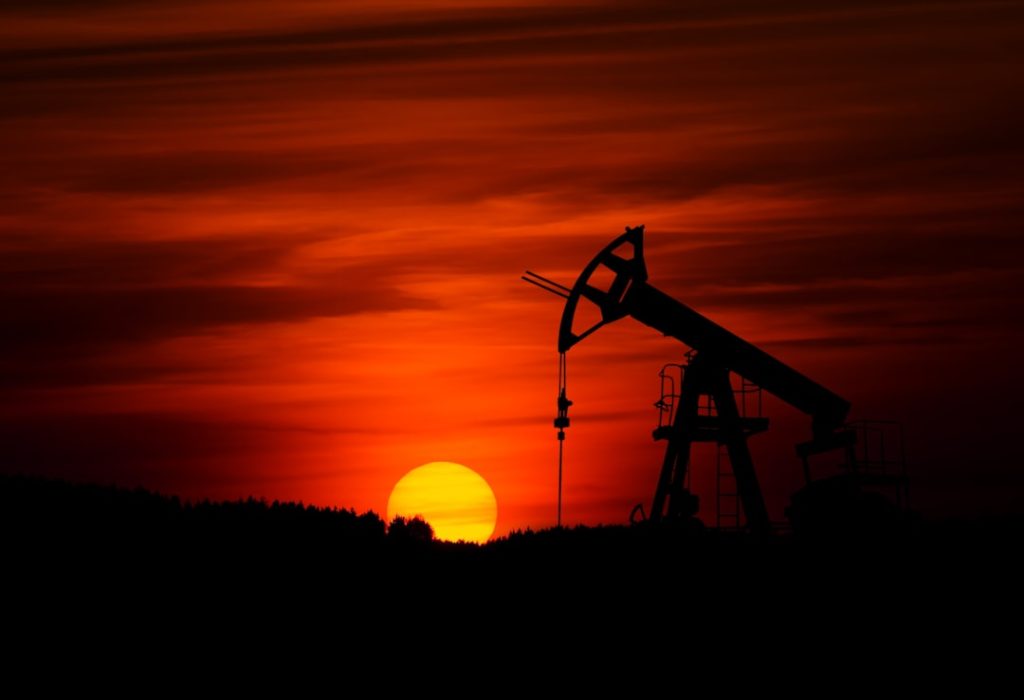
The ongoing military confrontation between the United States, Israel, and Iran has created widespread disruptions across Asian economies, with the strategic Strait of Hormuz becoming a critical bottleneck for global energy supplies. The conflict, which escalated in late February, has effectively restricted maritime traffic through this vital waterway that typically handles approximately one-fifth of the world’s oil shipments.
Energy prices have surged dramatically as markets react to the uncertain situation, with Asian nations bearing the brunt of the crisis since nearly 90 percent of oil and gas transiting through the strait is destined for Asian markets. The ripple effects are being felt from major economies like China and India to smaller nations across Southeast Asia.
Philippines Faces Transportation Crisis
The archipelago nation has declared a state of energy emergency as fuel shortages threaten its transportation sector. Jeepney operators, who provide essential public transportation services, have seen their earnings plummet dramatically. Carlos Bragal Jr., a veteran driver, reports that his daily income has fallen from approximately $17-20 to just $3-8 for a twelve-hour shift.
The crisis extends beyond transportation, affecting agricultural sectors as vegetable farmers in Bulacan province have ceased planting operations due to prohibitive fuel costs. Manila’s municipal government has implemented emergency measures, including subsidizing jeepney operators to provide free rides to commuters, though drivers argue these interventions are insufficient for long-term sustainability.

Thailand Implements Conservation Measures
Thai authorities have launched comprehensive energy conservation initiatives, including mandatory work-from-home policies for government employees and public campaigns encouraging reduced air conditioning usage. Television news anchors have symbolically removed their suit jackets during broadcasts to promote energy-conscious dressing.
Prime Minister Anutin Charnvirakul recently announced that Thailand has secured an agreement with Iran allowing Thai tankers passage through the strait, though he continues to advocate for fuel conservation measures including carpooling and increased public transportation usage.
Sri Lanka Navigates New Challenges
Having recently emerged from a severe financial crisis that left the nation unable to import essential goods in 2022, Sri Lanka now faces the paradox of having financial resources but limited fuel availability. The government has instituted emergency measures including declaring Wednesdays as national holidays to reduce energy consumption.
Workers dependent on fuel for their livelihoods face particular hardships. Nimal, who operates lawn maintenance equipment, describes losing work opportunities due to extended queues at fuel stations, creating a cycle where the time spent securing fuel prevents him from earning income.

Myanmar Introduces Vehicle Restrictions
The military government has implemented an alternating day system for private vehicle usage as part of fuel conservation efforts. Citizens report that social activities now require coordination around vehicle availability schedules, while concerns grow about potential black market fuel trading.
India’s Industrial Sectors Under Pressure
As the world’s most populous nation, India faces significant challenges with approximately 60 percent of its liquefied petroleum gas imports typically passing through the affected strait. The ceramics industry in Gujarat state has been particularly hard hit, with widespread factory closures affecting 400,000 workers.
In Mumbai, restaurants and hotels have reduced operations or modified menus to accommodate cooking gas shortages. The National Restaurant Association of India, representing half a million establishments, reports severe supply constraints affecting the hospitality sector.
Vietnam and South Korea Adapt
Vietnam has temporarily eliminated certain fuel taxes to provide relief to consumers and businesses, resulting in approximately 20 percent price reductions, though costs remain elevated compared to pre-conflict levels. Manufacturing operations report operational cost increases of up to 60 percent due to diesel and LPG price spikes.
South Korea has experienced less dramatic immediate impacts, though citizens have begun stockpiling plastic waste bags amid concerns about naphtha supply disruptions. The government has launched energy conservation campaigns encouraging reduced shower times and weekend-only washing machine usage.
Energy officials across the region continue monitoring the situation closely as the conflict’s duration remains uncertain, with many nations implementing both short-term relief measures and longer-term conservation strategies to manage the ongoing crisis.
Photo by Zbynek Burival on Unsplash
Photo by Documerica on Unsplash
Photo by Jacob Padilla on Unsplash