Gaza Mother Embraces Daughter After Two-Year Medical Evacuation
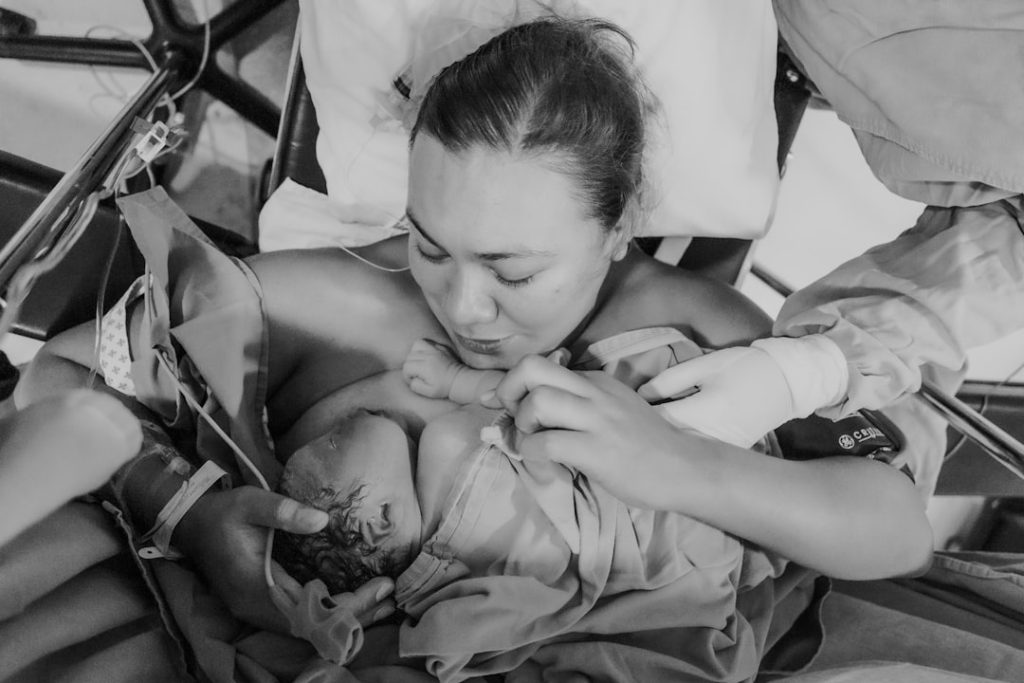
A heartwarming reunion unfolded as eight children who had been medically evacuated from Gaza as critically ill newborns have returned from Egypt to rejoin their families after more than two years of separation.
These young children were part of a larger group of over 30 severely premature infants who required emergency evacuation from Gaza’s Shifa Hospital in November 2023, amid intense military operations in the area.
The medical facility had been taken over by Israeli military forces, who claimed the hospital was being utilized by Hamas for military purposes.
Among the emotional reunions was that of Sundus al-Kurd, who waited anxiously at Nasser Hospital in Khan Younis to see her daughter Bisan. Holding a pink dress she had embroidered for the occasion, Sundus described her conflicted emotions to reporters, expressing both overwhelming joy and deep anxiety about whether her child would recognize her as a mother after such an extended separation.

Sundus recounted the traumatic circumstances of their separation, explaining how she had attempted to leave Shifa Hospital with her newborn when Israeli forces took control, but medical staff informed her that Bisan was too fragile to be removed from her incubator.
For nearly twelve months, the mother lived in agonizing uncertainty about her daughter’s fate. She described oscillating between despair and hope, desperately searching news reports and photographs for any sign of her child’s survival.
The breakthrough came when Sundus learned that her daughter had been identified in an Egyptian medical facility, recognized by the distinctive pink identification bracelet placed on her wrist at birth. For a mother who had already endured the loss of another child, her parents, and her brother during the conflict, this news felt miraculous.
This reunion represents one of the few positive developments emerging from the current Gaza ceasefire arrangement, which was implemented under the direction of US President Donald Trump. However, the broader situation in Gaza remains precarious and uncertain.

The territory continues to be physically divided, with Israeli military forces maintaining temporary control over approximately half of Gaza, while Hamas appears to be consolidating its influence in the remaining areas where most of the population resides among widespread destruction.
The Trump administration’s plan ties future reconstruction efforts and Israeli military withdrawal to Hamas’s agreement to disarm, but progress on this crucial component has been minimal.
Nickolay Mladenov, who serves as the designated high representative for Gaza administration under the current plan, recently addressed the United Nations, emphasizing that Gaza faces a critical choice between returning to warfare or embarking on a genuine fresh start.
However, sources within Palestinian leadership suggest that Hamas is likely to reject the disarmament proposals currently under consideration.
As Israel becomes increasingly engaged in new conflicts with Lebanon and Iran, international focus on Gaza has diminished significantly. Yet the territory’s situation offers important insights into the ongoing challenges of post-conflict stabilization and the persistent difficulties in converting military victories into lasting peace agreements.
Photo by Eduardo Barrios on Unsplash
Photo by Flávia Gava on Unsplash
Photo by AMIT RANJAN on Unsplash