Study Reveals Keeping Cats Indoors Significantly Extends Their Lifespan
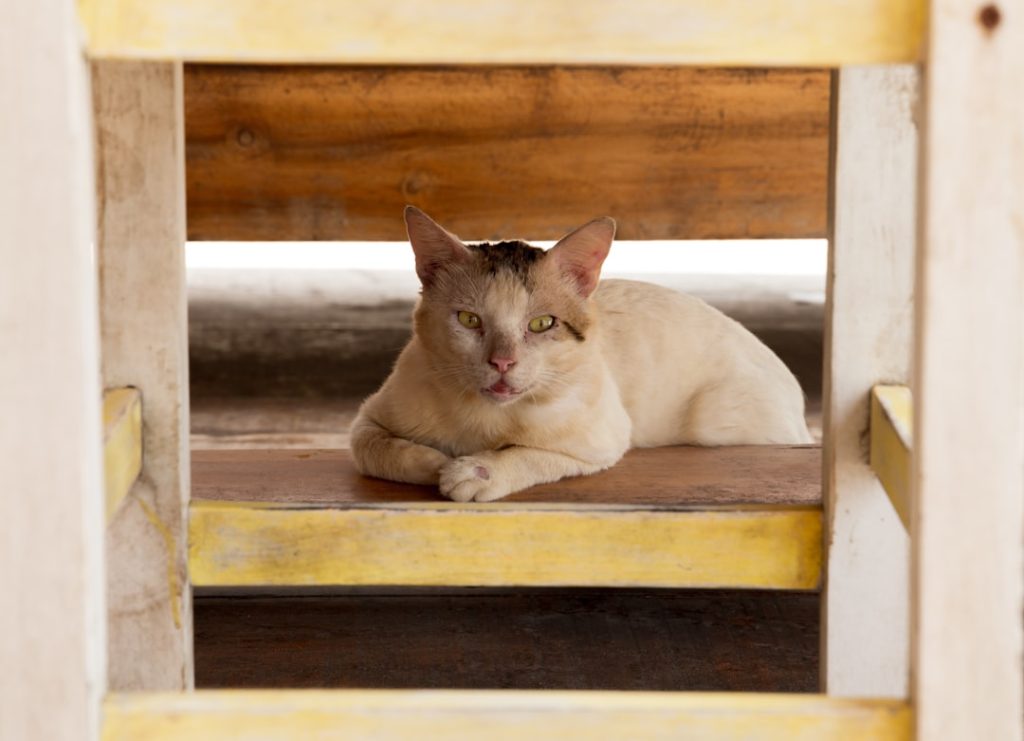
While domestic felines pose a documented threat to wildlife populations, with Australia’s 5.3 million household cats killing approximately 546 million native animals annually, a lesser-known concern is the significant danger that outdoor roaming poses to the cats themselves.
New research indicates that approximately two-thirds of Australian cat owners have experienced the loss of a pet while it was roaming outdoors. The primary causes of these deaths include vehicle collisions, aggressive encounters with other animals, and fatal falls from heights.
A comprehensive study has demonstrated that maintaining cats within the home environment benefits both local ecosystems and dramatically improves feline safety and longevity. Beyond the emotional trauma of losing a beloved pet, owners often face substantial veterinary expenses while their cats suffer from permanent health complications resulting from outdoor incidents.
Understanding the Dangers
Innovative research utilizing collar-mounted cameras has provided unprecedented insight into the hazards facing free-roaming cats. In a United States study involving 55 outdoor cats, researchers discovered that 25% risked toxic exposure through consuming unknown substances while away from home. Nearly half of the subjects crossed vehicular traffic areas, while 25% encountered potentially aggressive cats, 20% crawled beneath structures, and 20% explored dangerous drainage systems.

Similar patterns emerged in New Zealand research involving 37 cats, where 59% consumed water from unknown sources, 40% ate unfamiliar food, 32% crossed roadways, and 21% faced fall risks by climbing onto elevated surfaces. Australian data from radio-tracking studies of 428 cats revealed an average of 4.8 road crossings per day per animal.
Examining the Consequences
International research consistently identifies trauma as the leading cause of death and injury among outdoor cats, primarily from vehicle strikes, animal fights, and falls. Recent British studies found traffic accidents were the predominant cause of death for cats ranging from under one year to eight years of age.
European statistics suggest that 18-24% of cats experience vehicle collisions during their lifetimes, with approximately 70% of these incidents proving fatal. Victims are typically under five years old and predominantly male, with unneutered cats facing higher risks due to their tendency to roam more extensively.
Beyond traffic dangers, outdoor cats face serious infectious diseases like Feline Immunodeficiency Virus, frequent fighting that can lead to life-threatening abscesses, and documented cases of deliberate human cruelty including poisoning and intentional injury. Research tracking 55 roaming cats in Western Australia over eight months documented two poisoning cases, one traffic-related amputation, dental fractures from falls, and multiple fight-related injuries requiring veterinary intervention.

Analysis of these combined risk factors indicates that outdoor cats typically live 2-3 years less than their contained counterparts, with survivors often facing lifelong disabilities.
Implementing Protective Measures
The most effective protection method involves containing cats within property boundaries, similar to standard practices for other domestic animals. This approach doesn’t require complete indoor confinement, as various modifications can provide safe outdoor access.
Property modifications such as fence-top rollers prevent escape while allowing yard access. Many owners construct enclosed outdoor spaces or ‘catios’ that provide fresh air and sunlight in a secure environment. Additionally, cats can be trained for harness walking, enabling supervised outdoor experiences.
Indoor environments require specific considerations for feline wellbeing. Cats benefit from window views, interactive toys, scratching surfaces, elevated climbing areas, and hiding spaces that accommodate their solitary nature. Proper sanitation requires two litter boxes per cat, plus one additional box in multi-cat households, positioned in quiet, separate locations away from feeding areas.
Evolving Ownership Practices
Australian cat ownership has increased significantly, rising from approximately 25% of households in 2019 to one-third by 2025. Simultaneously, indoor containment practices have grown from 36% to 48% of cat-owning households, suggesting growing awareness of the benefits of responsible pet management that protects both cats and wildlife.
Photo by Tatiana Zanon on Unsplash
Photo by Sylvie MEUNIER on Unsplash
Photo by Spencer Gu on Unsplash