England’s Mandatory Weekly Food Waste Collection Rules Take Effect Despite Council Implementation Delays
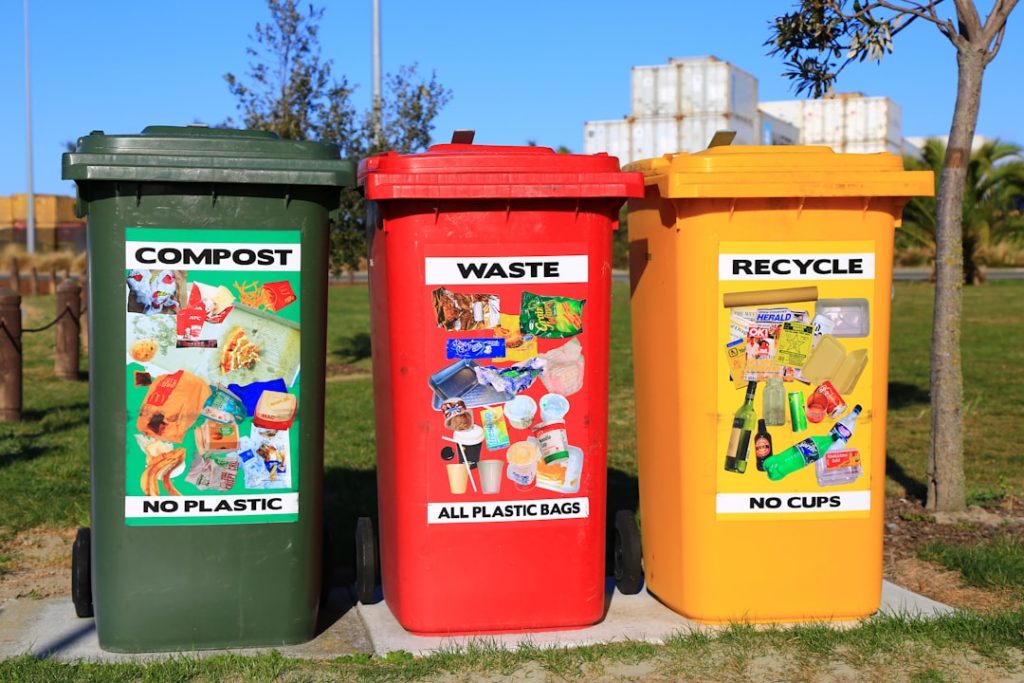
England has implemented new regulations mandating weekly food waste collection services for all residential properties, though numerous local authorities remain unprepared to deliver these services on schedule.
Research conducted previously revealed that 79 English local authorities—representing approximately 25% of all councils—anticipated missing the March 31st implementation deadline. Municipal leaders attributed these delays to high demand for specialized collection vehicles and financial constraints, despite receiving over £340 million in government grants from the Department for Environment, Food & Rural Affairs.
The Department for Environment, Food & Rural Affairs has committed to ongoing collaboration with local waste management networks and industry partners, offering targeted assistance to resolve remaining implementation challenges.
Environmental organization Wrap has characterized these Simpler Recycling regulations as representing the most significant transformation in England’s recycling policy framework in two decades.
Environmental Benefits of Separate Food Waste Collection
Segregated food waste processing enables electricity generation while simultaneously reducing the volume of organic matter decomposing in landfills and releasing harmful greenhouse gases. Officials anticipate that universal access to food waste collection services will motivate households to minimize their overall food wastage.

Understanding the New Collection Requirements
Under the updated regulations, waste collection services must now separately gather four distinct categories of materials:
- Organic waste including food scraps and garden materials
- Paper and cardboard products (which may be combined with other recyclable materials depending on local arrangements)
- Additional dry recyclable items encompassing glass, metal, plastic containers, and cartons
- Non-recyclable residual waste destined for landfills or energy recovery facilities
Approximately half of England’s councils were not providing weekly food waste collection prior to this legislative change, while others have operated such programs for over ten years.
Implementation Timeline Challenges
Among councils that acknowledged missing the deadline, at least 57 plan to establish comprehensive household service by the conclusion of 2026. More than twelve authorities could not provide estimated launch dates for their programs.
Following recent investigations, Darlington Borough Council announced a service delay until June. An additional 31 councils have obtained transitional agreements permitting delayed implementation—in some cases extending more than a decade due to existing contractual obligations that would prove financially prohibitive to modify.
When accounting for these transitional arrangements, over one-third of English councils will not yet be collecting food waste from all residential properties.

Expert Perspectives on Service Standardization
Claire Shrewsbury, director of insights and innovation at Wrap, emphasized that the new regulations will ensure consistent service delivery across different locations, including homes, workplaces, and public spaces.
She noted that while England’s population demonstrates strong recycling commitment, most households still dispose of two or more recyclable items weekly due to confusion about proper sorting. Shrewsbury highlighted food waste recycling’s significant potential, explaining that processing one kitchen caddy of unavoidable food waste could generate sufficient electricity to power a refrigerator for 18 hours.
Practical Implementation Advice
Ashley, a waste collection worker known on social media platforms as the No1 Binman, shared practical guidance for residents. He explained that food waste left in general refuse bins attracts insects and maggots, particularly when collection frequency is reduced.
He recommended weekly food recycling bin collection and suggested lining food caddies to prevent waste from becoming sticky and difficult to remove. Ashley noted that most councils permit newspaper lining and that biodegradable bags can prove helpful, while emphasizing that food recycling accepts only solid waste, excluding liquids like milk or sauces.
The Department for Environment, Food & Rural Affairs indicated that non-compliant waste collection authorities face potential judicial review, though councils operate as independent entities accountable to their constituents rather than government departments. Officials stated that over two-thirds of councils were prepared for the recycling changes and had been empowered to implement services appropriate for their communities.
Photo by Nareeta Martin on Unsplash
Photo by Matt Richmond on Unsplash