Medical Expert Explains New COVID-19 Variant BA.3.2 Spreading Rapidly in America
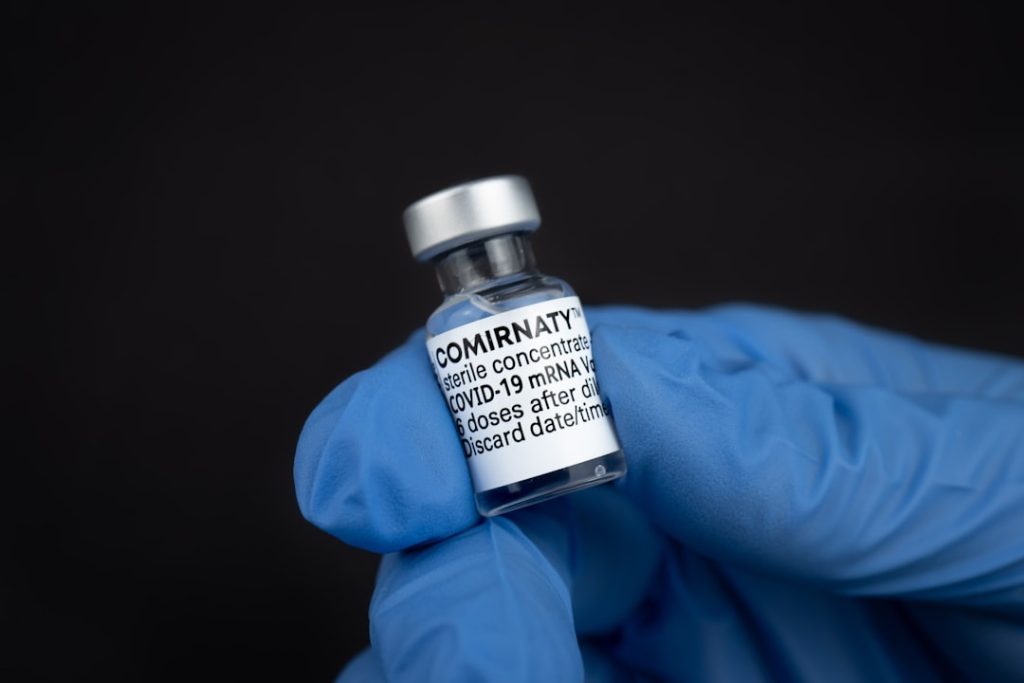
A new strain of the coronavirus known as BA.3.2, dubbed “Cicada,” has been quietly circulating since the end of 2024 and is now rapidly spreading throughout the United States, according to health officials.
Medical professionals specializing in pulmonary and critical care medicine are closely monitoring this development, particularly as they treat high-risk patients with chronic respiratory conditions and those suffering from long-term COVID effects. These vulnerable populations frequently express concerns about emerging viral strains and their potential health implications.
Current evidence suggests that BA.3.2 does not appear more severe or dangerous than previous variants that dominated during the 2025-26 winter season. However, its significant genetic differences from earlier strains may reduce the effectiveness of existing COVID-19 vaccines.
Origins and Evolution of BA.3.2
This latest variant traces its lineage back to the omicron strain that first appeared in late 2021. Genetic analysis reveals that BA.3.2 contains between 70 and 75 mutations in its spike protein – the crucial component that enables the virus to penetrate human cells and serves as the primary target for vaccine-induced immunity.

Scientists initially identified BA.3.2 in African populations during November 2024. The variant began its international spread throughout 2025, eventually reaching 23 nations by February 2026. The first confirmed case in the United States involved an international traveler in June 2025, and surveillance data now shows its presence in 29 states through both clinical samples and wastewater detection systems.
Wastewater surveillance remains a critical tool for early variant detection, although fewer states have been contributing data to the Centers for Disease Control and Prevention since the pandemic’s peak around 2022.
Understanding Viral Evolution and Immune Evasion
Viral mutations occur naturally as part of the replication process, with coronavirus strains changing particularly rapidly. Each time the virus reproduces within host cells, genetic alterations occur. While most mutations prove inconsequential, some provide competitive advantages that enable certain variants to outcompete others.
These genetic changes can compromise immune system recognition, similar to encountering old friends at a high school reunion who have dramatically altered their appearance over decades. Recognition becomes more challenging compared to seeing gradual changes over time.

Vaccine effectiveness also depends on how closely current formulations match circulating strains. Present COVID-19 vaccines target JN.1 lineage variants that predominated in America since January 2024. BA.3.2’s substantial genetic divergence from these strains may allow it to partially evade vaccine-induced immunity, though this doesn’t negate vaccination benefits entirely.
Extensive research demonstrates that vaccines continue to significantly reduce hospitalization and death rates from COVID-19. However, mismatched vaccines may require more time to generate effective immune responses against novel variants.
Health Risks and Clinical Implications
The reduced immune recognition of BA.3.2 could potentially lead to broader infection rates and increased case numbers. Despite its rapid transmission, current data shows no evidence that this variant causes more severe illness than recently circulating strains.
Protection remains especially crucial for individuals with underlying health conditions who face elevated risks of severe COVID-19 complications. While long COVID rates have decreased as the virus evolved since the pandemic’s early stages, approximately 3% of current infections still result in prolonged symptoms.
Prevention Strategies for Individuals and Communities
Healthcare experts recommend several evidence-based prevention measures:
- Maintain proper hand hygiene by washing hands after bathroom use, before food preparation or meals, and following contact with ill individuals. This simple practice reduces respiratory infection risk by 16-21%.
- Practice responsible illness behavior by staying home when feeling unwell to protect both personal health and community safety. Consider that colleagues or classmates may have compromised immune systems or live with vulnerable individuals.
- Prioritize outdoor activities over crowded indoor environments to minimize exposure opportunities.
- Consult healthcare providers for personalized risk assessment and guidance, particularly for those with chronic medical conditions that may increase severe infection risk.
Photo by Mika Baumeister on Unsplash
Photo by Nisuda Nirmantha on Unsplash
Photo by Markus Spiske on Unsplash