Durable Kitchen Rugs That Handle Heavy Use While Maintaining Their Appeal
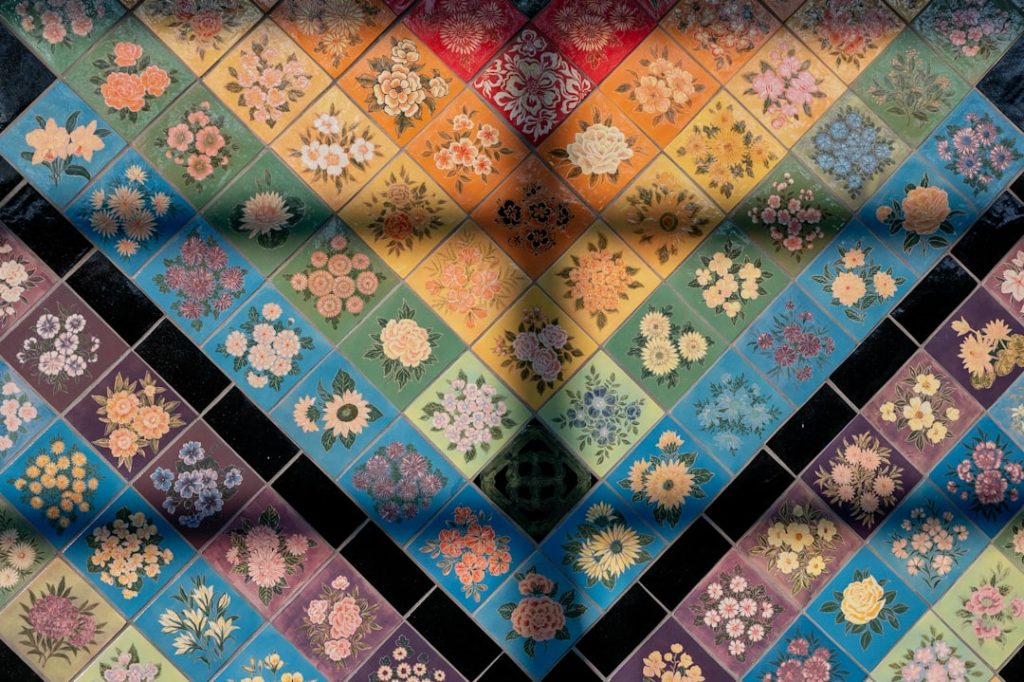
Kitchen rugs face unique challenges that standard floor coverings simply aren’t designed to handle. The cooking environment demands floor coverings that can withstand constant foot traffic, food spills, and frequent cleaning while still enhancing the room’s aesthetic appeal.
Selecting an appropriate kitchen rug requires careful consideration of two essential factors. The primary requirement is washability, given the kitchen’s nature as a high-activity zone prone to spills and stains. While you may maintain excellent cooking habits, kitchens naturally accumulate dirt and require rugs capable of enduring regular washing and occasional mishaps.
The secondary consideration involves visual interest and pattern complexity. Strategic design choices can cleverly disguise the inevitable signs of wear that accumulate over time. Bold patterns, intricate textures, or dynamic color schemes help camouflage minor stains and wear patterns that would be glaringly obvious on solid-colored or minimalist designs.
Taking inspiration from commercial carpet design principles, busy and bold patterns prove most effective for high-traffic kitchen environments. Complex weaves, geometric patterns, or traditional motifs provide both visual appeal and practical concealment of daily wear.

Vibrant and Colorful Options
After years of neutral, resale-friendly kitchen designs dominating home decor trends, homeowners are increasingly embracing bold, eclectic design choices. Vibrant, multicolored rugs offer an instant way to energize kitchens that have been trapped in monochromatic color schemes.
These colorful options bring personality and warmth to cooking spaces while serving the practical purpose of hiding stains and wear patterns through their complex color combinations and busy designs.
Geometric Patterns
Mathematical precision meets practical functionality in geometric rug designs. These patterns demonstrate that functional beauty can emerge from structured design elements like grids, intersecting lines, and tessellating shapes.
Geometric patterns offer sophisticated visual interest while providing excellent camouflage for the inevitable wear patterns that develop in high-traffic kitchen areas. The structured nature of these designs means that minor imperfections blend seamlessly into the overall pattern.

Traditional-Style Designs
Classic weaving traditions from Persian, Turkish, and Central Asian cultures continue to influence contemporary rug design due to their timeless appeal and practical benefits for kitchen use. These traditional patterns have endured for centuries partly because their intricate designs effectively mask wear and staining.
Modern interpretations of these classic styles include innovative updates like pixelated redesigns of traditional motifs or patterns inspired by historical textile artists, offering fresh takes on proven design principles.
Minimalist Approaches
Contrary to the bold pattern recommendations, minimalist rugs can succeed in kitchen environments when they emphasize texture over pattern. The key lies in choosing designs that express minimalism through interesting weaves and natural, subtle tones rather than plain, solid colors.
These understated options provide visual sophistication without overwhelming the space, while textural complexity offers some protection against visible wear accumulation. Natural fiber weaves and subtle tonal variations create depth without relying on busy patterns for practical concealment.
Photo by Turquo Cabbit on Unsplash
Photo by boris misevic on Unsplash