Understanding Iran’s New Supreme Leader: Key Facts About Mojtaba Khamenei
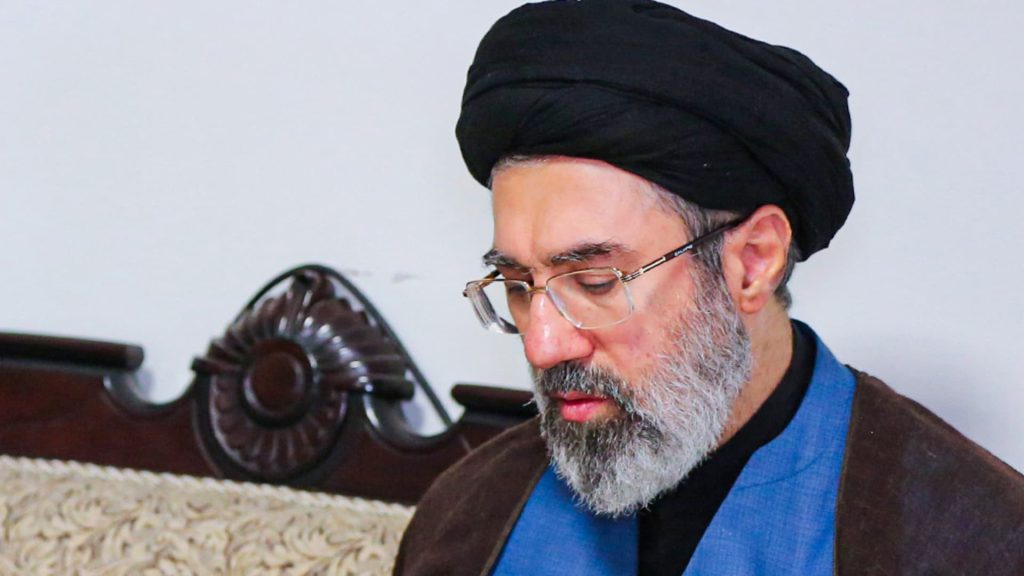
Following the death of Ayatollah Ali Khamenei in recent U.S. military operations, Iran has appointed his son, Mojtaba Khamenei, as the nation’s new supreme leader. This succession has triggered significant global reactions, with oil prices surging beyond $120 per barrel amid Iran’s decision to close the Strait of Hormuz.
Deep Military and Security Connections
At 56 years old, Mojtaba Khamenei brings extensive ties to Iran’s military and intelligence apparatus that exceed those his father possessed during his early leadership years. His formative experience came through service in the Islamic Revolutionary Guard Corps during the final phase of the Iran-Iraq conflict in the late 1980s, establishing crucial relationships within the country’s security elite.
Unlike his father, who held traditional religious credentials before assuming power, the younger Khamenei lacks formal clerical ranking despite studying under respected religious scholars in Qom. His authority stems primarily from his institutional connections rather than theological standing.
Behind-the-Scenes Power Broker
For decades, Mojtaba operated as an influential figure within his father’s administration, earning descriptions as the “principal gatekeeper” and “power behind the robes” in diplomatic communications. He coordinated directly with IRGC leadership and intelligence services, managing sensitive political and security matters from the shadows.
His involvement in controversial episodes includes allegations of orchestrating the violent suppression of the 2009 Green Movement protests, which represented the largest demonstrations since the 1979 revolution. Critics also accused him of manipulating electoral processes to favor conservative candidates in 2005 and 2009.
Strategic Marriage Alliance
Mojtaba strengthened his political position through marriage to Zahra Haddad Adel, daughter of a prominent conservative politician. This union cemented his relationships within Iran’s traditional political networks and enhanced his influence among hardline factions.
Personal Tragedy and Hardened Stance
The recent airstrikes that killed his father also claimed the lives of his wife, son, and mother, according to Iranian government statements. Security analysts suggest this personal loss will likely intensify his confrontational approach toward adversaries.
Former Israeli Ambassador Michael Herzog characterized the succession as a demonstration of Iranian defiance, predicting the new leader would pursue vengeful policies. U.S. President Donald Trump expressed skepticism about prospects for peaceful relations with the new supreme leader.
Vast Hidden Wealth
Despite Iran’s official emphasis on religious simplicity, investigations have revealed Mojtaba controls an extensive international property portfolio valued in the hundreds of millions. His holdings reportedly include luxury residences on London’s exclusive Billionaire’s Row, a villa in Dubai’s Emirates Hills district, and premium hotels across Europe from Frankfurt to Mallorca.
These assets are typically held through complex networks of intermediaries and offshore entities rather than direct ownership, according to financial investigations. This wealth accumulation contrasts sharply with the austere image projected by Iran’s religious leadership.
The appointment of Mojtaba Khamenei as supreme leader represents continuity in Iran’s hardline policies while potentially escalating regional tensions due to his personal losses and established reputation for uncompromising positions.