Television Prices Set to Rise Due to AI-Driven Memory Chip Shortage
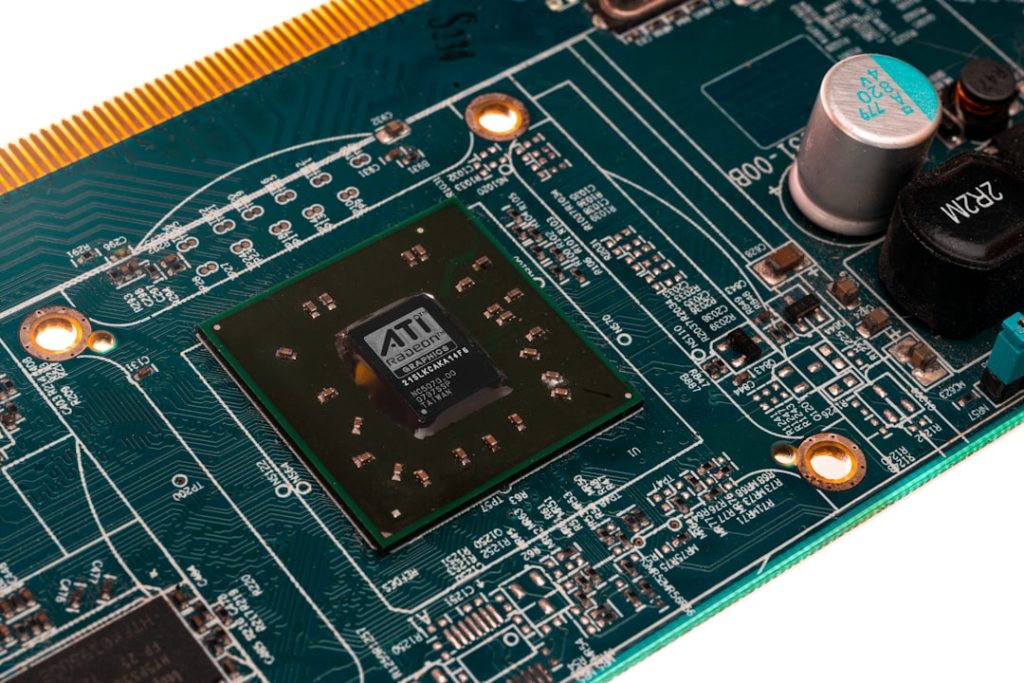
The surge in artificial intelligence development is creating ripple effects across the consumer electronics market, with television prices poised to increase significantly due to memory chip shortages. This supply crunch, which industry experts are calling a memory crisis, extends beyond computers to impact various devices including TVs, gaming systems, smartphones, and smart appliances that rely on RAM and processing power.
Modern smart televisions typically require between 1GB and 8GB of RAM to operate their connected features and handle video processing tasks. The memory components commonly used in 4K television sets have experienced a dramatic price surge, with costs increasing more than fourfold within the past twelve months. Industry analysts predict that these elevated component costs will inevitably be transferred to consumers through higher retail prices. Market research firm TrendForce has stated that television price increases are now inevitable, while major manufacturer Samsung has indicated it may need to adjust its product pricing strategies accordingly.

Understanding the Memory Supply Crisis
The root cause of this shortage stems from massive demand from technology giants including Microsoft, Google, and Nvidia, who are acquiring vast quantities of memory chips to power their artificial intelligence data centers. Television manufacturers lack the purchasing power and market influence of these tech behemoths, leaving them at a disadvantage when competing for limited memory supplies. According to Marco Mezger, an executive at memory technology company Neumonda, when memory markets tighten, smaller companies face greater challenges than large technology corporations, experiencing compressed profit margins and delayed product launches.
Current Market Conditions Favor Buyers
Despite looming price increases, the current television market presents exceptional value for consumers. Smart TV prices have declined by approximately 15% from 2024 through early 2026, creating a favorable baseline for purchases. Additionally, manufacturers traditionally offer reduced pricing during this period to clear inventory before introducing new model lines. Televisions currently available were priced before the memory shortage impacted retail markets, meaning consumers can still access pre-shortage pricing. Some manufacturers also subsidize television costs through data collection revenue streams, enabling them to offer competitive pricing. These factors combine to create outstanding deals, such as 65-inch OLED displays available for under $1,000.

Timeline for Market Recovery
Industry forecasts suggest the memory shortage will persist well into 2028 before markets return to normal conditions. Artificial intelligence applications are projected to consume approximately 70% of all premium DRAM production in 2026, causing manufacturers to prioritize high-end memory over the standard chips used in televisions and consumer appliances. While significant investment is flowing into expanding memory manufacturing capacity, new production facilities require approximately 19 months to become operational in Taiwan, with even longer timelines in the United States. This extended development period means television prices will likely remain elevated through 2028, making immediate purchases more economically advantageous for consumers considering new television acquisitions.
Photo by Kote Puerto on Unsplash
Photo by Bermix Studio on Unsplash
Photo by unavailable parts on Unsplash