Market Recovery Follows Sharp Decline as Middle East Tensions Fuel Economic Concerns
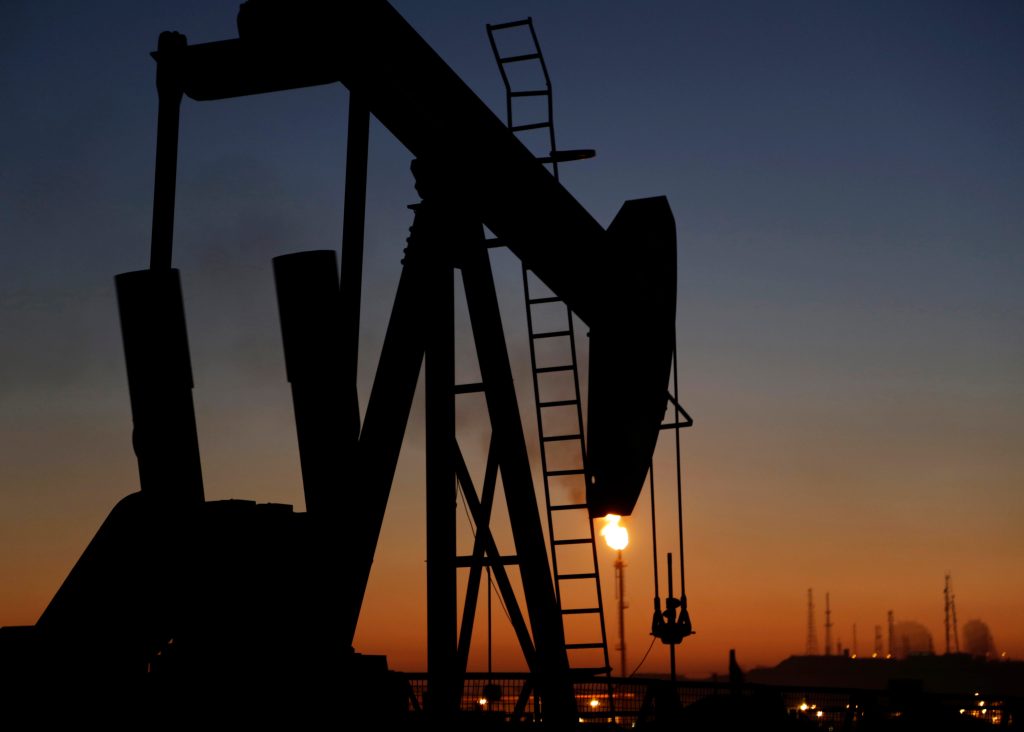
Financial markets experienced a rebound after suffering significant losses, though economists warn that prolonged conflict in the Middle East could drive crude oil prices to unprecedented levels and potentially spark a period of economic stagnation combined with inflation.
Energy market analysts have expressed concerns that extended military operations in the region could push petroleum prices beyond $150 per barrel, a threshold that many economists believe could trigger severe economic consequences for domestic markets.
The prospect of such elevated energy costs has raised alarms about the possibility of stagflation – a dangerous economic condition characterized by simultaneous high inflation and slow economic growth. This scenario would present significant challenges for policymakers who typically face a trade-off between controlling inflation and stimulating economic expansion.
Market volatility has been particularly pronounced as investors weigh the potential impacts of ongoing geopolitical tensions on global energy supplies. The energy sector remains highly sensitive to disruptions in oil-producing regions, with even the threat of supply interruptions capable of driving substantial price movements.
Economic forecasters emphasize that the duration of current conflicts will be a critical factor in determining whether energy price spikes translate into broader economic difficulties. A resolution within the coming weeks could help stabilize markets, while extended hostilities could create more sustained inflationary pressures throughout the economy.
The interconnected nature of global energy markets means that regional conflicts can quickly impact consumers and businesses worldwide through higher fuel and energy costs, potentially slowing economic activity while simultaneously driving up prices for goods and services.